United Nations International School: Shaping Global Citizens

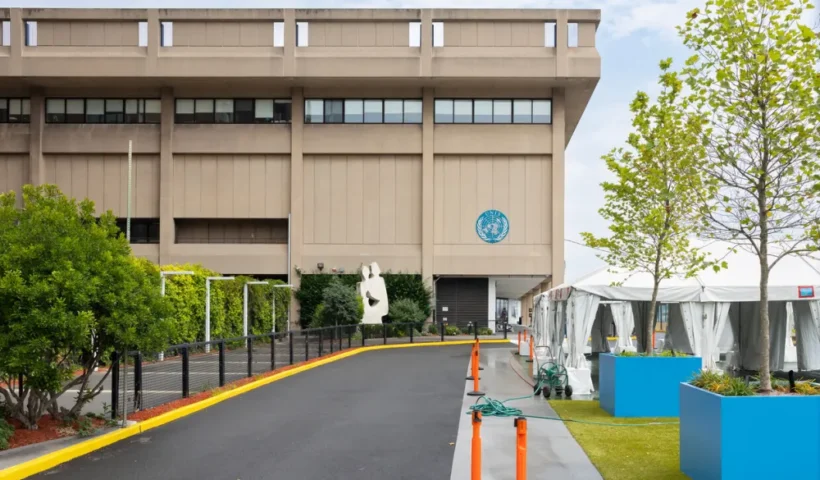
Location –  Parking, lot 24-50 FDR Dr, New York, NY 10010, United States

Website – http://unis.org/

Contact – +1 212-684-7400


Stepping onto the United Nations International School campus gives off an impression of something that could not be described as a mere institution, but rather a community forged in the pursuit of a mission: preparing students to become leaders of the tomorrow. UNIS is demanding and innovative in its approaches to academics, but it is  so much more than an academic institution-it seeks a global mindset, fosters empathy, and equips students with the tools to navigate and impact an increasingly interconnected world.

Innovative Methods of Teaching with a Global Outlook

At UNIS, education is not merely considered to be an effective tool toward engendering global citizens, but the school aspires to go beyond that since it holds a pride of place among one of the first schools of International Baccalaureate (IB). At UNIS, innovative teaching methods have advanced, developing student agency whilst in pursuit of learning. The students are encouraged to study their interests from a very early age within a challenging academic framework. The curriculum is always adapted to theInternational Baccalaureate standard with a breadth of subjects to offer and ultimately, at the same time, provide students with a chance to pursue courses that interest them.

What sets UNIS apart, however, is the school’s commitment to multilingualism. Pre-K students learn their first second language, and by middle school, they are studying a third. With nine languages available to students and many more through the IB Diploma Programme, here, students grow up appreciating the value of other cultures and perspectives. This isn’t purely about fluency in several languages—it’s all about developing an inquiring nature and empathy and openness toward the rest of the world.

Diversity and Inclusion: Core School Values

UNIS is a community that not only celebrates diversity but lives by it. The school houses over 98 nationalities from across the globe, so you might expect just another melting pot. But more than that, UNIS actively fosters an inclusive atmosphere in which everyone’s strength is valued as a contribution. The close relationship the school has with the United Nations infuses the curriculum with a sense of responsibility to promote peace, equality, and understanding.

Students learn global challenges from textbooks and real-life experiences, such as the UNIS-UN conference, which brings together students and expert speakers from across the globe in the UN General Assembly Hall to debate and discuss pressing global issues. It’s one thing to study international relations – it’s quite another to experience it first hand in the halls of world leaders. Programs like this make the students feel a part of something larger than themselves, motivating them to think critically about their own role in making the world a better place.

Learning Beyond the Classroom

One of UNIS’s great strengths is its ability to have students relate to real life through collaboration with the United Nations and other organizations in which they participate. Whether it’s participating in the Model UN program, in which a broad student assembly simulates international diplomacy, or attending school-hosted events featuring the world’s leaders and experts, the learning at UNIS often extends far beyond the walls of the classroom.

These partnerships prepare students for university life and for their calling. Working with global issues in school helps students develop the ability to think critically and solve knotty problems that help tackle complex problems. This means graduates who are not only academically good but are also deeply sensitive to the world around them.

A Strong, Supportive Community

This is where UNIS really shines: in how much sense of community there is. It’s not a school where parents just drop off the children and walk away; the UNIS Parents’ Association (UNIS PA) plays an active role in school life, organizing events, supporting new families, helping to make the community inclusive and welcoming for all. The moment the family enters the UNIS community, they are absorbed into a web of support.

Various committees at UNIS PA, such as the Welcome Committee and Cultural Events Committee, assist new families in settling down and respect the diversity present in the school. Families from all corners of the world unite to share cultures with events and festivals, making the school a vibrant and dynamic place for students and their families.

Support for Diverse Learners

To meet the eclectic class, UNIS takes extreme care in developing a program meeting each individual learning requirement. Ten percent of the students need some extra English support. Our ELL program nurtures these learners  through l academically and socially. UNIS boasts of its personalized support that will find each one’s way to success.

Beyond language support, it focuses on individual learning needs. Be it within the confines of specialized academic counseling or differentiated instruction, UNIS fits every student with appropriate keys for success. By adjusting to a nurturing environment, the school encourages not only academic development but also personal development for students.

Focus on Well-being and Mental Health

UNIS takes the welfare of students very seriously. The school has a strong SST-Student Support Team that works closely with students and their families in supporting social, emotional, and academic capacities. UNIS knows that in today’s world, mental health has the same importance as achievement. The school actively promotes programs that provide for the needs of students with emotional and learning exceptionalities.

Continuous consultation with experts opens doors for UNIS to run seminars and discussions on the issues plaguing the current vulnerable youth. Initiatives taken by schools in terms of well-being not only benefit the students but also empower the parents and the community regarding their mental welfare.

Vision for the Future

UNIS  looks forward to ensuring that students could prepare well and be able to lead in a rapidly changing world. In this regard, school future visions include an increased number of global partnerships, enhanced sustainability initiatives, and new programs  dealing  with global challenges emerging from changing the world. With that in mind, with it being one step ahead of the game, UNIS ensures that its students would not only be sufficiently prepared for university but also change the world some day.

As the world closes its gaps and becomes one global community, such a vision is reflected in the education that happens at UNIS while still being firmly grounded in timeless values such as empathy, curiosity, and commitment to global citizenship. Possibilities come endless for a bright future at UNIS for its students.

Lycée International Français de Taipei: Diverse Hub for Academic as well as Personal Growth

Location –  No. 15號, Lane 221, Fude St, Xinyi District, Taipei City, Taiwan 110

Website – https://www.lift.tw/en/

Contact – +886 02-2727-7535


LIFT, or Lycée International Français de Taipei, is recognizable as an innovative, multicultural, and student-centered school in Taipei, Taiwan. This school is dedicated to creating well-rounded academic experience within its students while being sure there is a blend of French educational traditions and Taiwanese culture as well to ensure all students of different backgrounds thrive. A reliable education model was created by LIFT with its commitment to personalize learning, inclusive practice, and high engagement with the community while equipping the student to succeed academically and effectively thought of themselves in the global context.

Innovative Teaching Methods

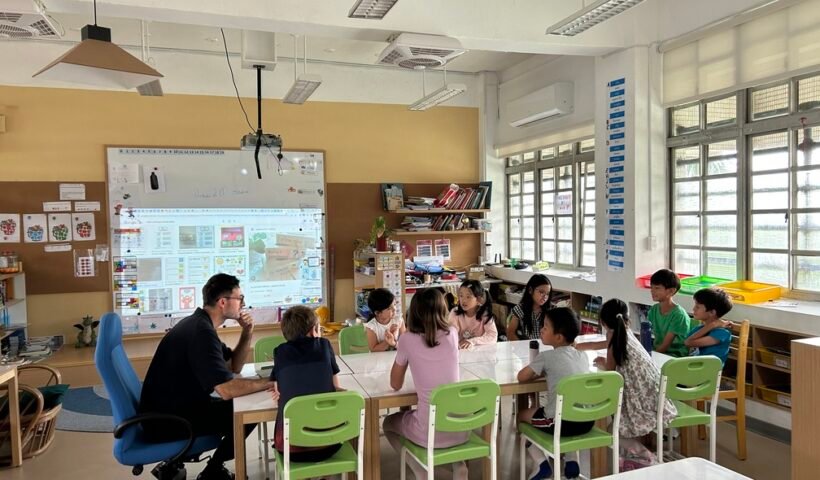
LIFT faculty uses various teaching methods to make learning interactive, adaptable, and relevant for all of its students. For example, the school introduced adaptable seating modes through which it allows the students to pick how they can be in class through physical engagement. This gave them a certain element of independence and, thus learning spaces looked not so stiff. LIFT has also adopted the “flipped classroom” concept, which is, quite simply a reversal of the traditional teaching where most materials are reviewed at home and class time is used for exercises and discussions. This model, further complemented by the concept of “skills belts” derived from French pedagogue Fernand Oury, ensures differentiated learning, where every child may proceed at his or her own pace for that aspect.

This school system also employs experiential learning in its “outdoor classroom” approach, where classes take place in the new natural surroundings such as parks and playgrounds. Natural resources are used during these sessions to supplement lessons in mathematics and French, with a focus to make the learning connect to the world outside of the classroom. Les Philoménales is an ongoing project providing opportunities for students to engage in reflective and deep-thinking discussions. which provide opportunities for the student to be reflective and deep-thinking in nature. The positive evaluation methods, inspired by the theorist about education, Vincent Paré, attempt to elicit growth and learning, rather than achievement; they support the environment to learn in it.

Promoting a Multicultural and Inclusive Learning Climate

The culture of inclusion at LIFT is based on its trilingual and multicultural setting. As a school that caters to linguistically diverse student populations, LIFT has programs that enhance the language profile of the student in French, Mandarin, and English. Cultural diversity along with linguistic difference in a classroom brings an excellent mix and allows students to stretch their thinking; they engage in multiple perspectives, and understandings are more likely to be gained in preparation for their post-globally connected world.

LIFT is inclusive in many ways beyond language; the school is entirely accessible and provides ramps, elevators, and adapted toilet facilities for students with disabilities so that everyone may move around the campus comfortably. The faculty underwent training from the Cap École Inclusive platform, which aims to give resources and training on all categories of special educational needs, like autism spectrum disorder, dyslexia, and high-potential students. For children who require more support, LIFT utilizes pre defined, short-term education plans tailored to their needs and is continually monitored with the family to establish if they are still useful.

Collaborations with Local Entities

As part of LIFT’s effort to interact with the community, it has formed collaborations with local Taiwanese institutions of learning and cultural organizations in Taipei. It utilizes Liugong Middle School and Yong Chun Senior High School. It gets advantages from both schools involved through close cooperation with the Taiwanese schools. This relationship facilitates community ties, although students do not have individual interactions with peers in their host community due to differences in age groups.

Through its involvement with specialized institutions, like the Qi Cong School, which is for deaf students, it aims to give its students a broader and wider understanding of the diverse needs of the community. LIFT, further, has cooperated with the Tatung Institute of Technology to have summer camps and conduct STEAM projects that balance technology, engineering, and arts to let students learn practically and hands-on.

One example of such initiatives taken by LIFT for helping towards environmental awareness and sustainability includes a recent partnership with the Jane Goodall Institute Taiwan-a BNP Paribas initiative. Within this collaboration, students can work at creating a wildlife garden on campus, learn more about biodiversity while planting and caring for endemic plants with the expertise and knowledge of botanical experts. Moreover, the school has facilitated linkages to the international school community of Taipei, including collaboration with the Taipei European School (TES), through which cultural exchange is fostered and joint events that make the educational experience of students even richer and more vibrant are accommodated.

Responsive Communication and Community Participation

LIFT believes in good, active communication among teachers, students, and parents. This open communication line includes inviting parents to educational activity, such as reading weeks and board game discovery sessions. Parents are encouraged to live with their thoughts and ideas and develop support from the school in strengthening community. Other programs, like the workshop on “climate fresco,” have a ukulele band for the show on Christmas, reveal a more collaborative approach inherent in LIFT’s methods of community building.

To sustain continuous communication, LIFT has a group in Telegram for the parents. It will keep them abreast of news that happens in school and get updates on school-related matters from the management informally. A trilingual newsletter, released on a weekly basis, will ensure all parents are kept up to date on happenings in the school on events, projects, and initiatives. School management being on hand during school drop-off and pick-up times can also be tapped as an avenue for parents to seek the child’s progress or raise concerns.

With such an approach towards individualized learning, LIFT stresses each learner’s needs. The school itself did not use a cookie cutter model; it personalized work plans and made its students encourage cooperative learning from one’s peers. In this scheme of things, every child works individually and gets practice in self-motivation and independence.

For new French students, LIFT offers daily support from a dedicated teacher of French as a Foreign Language, working with small groups and coordinating with classroom teachers to meet every student’s need. The school is also developing a tailored textbook for further help with new French-speaking students, demonstrating commitment to supporting linguistic diversity.

Encouraging Wellbeing and Mental Health

The learning at LIFT is based on the overall well-being of the students through natural curiosity and learning style. The “ethic of gentleness and availability” starts from psychoanalyst Anne Dufourmantelle with an education centered around kindness and patience. Therefore, good training for teachers ensures that education balances students’ academic success with their well-being.

In LIFT, assessments are characteristically formative rather than punitive, reflecting the school’s philosophy that assessments must add value to a student’s experience, not increase unnecessary stress. In this regard, the school takes great care in creating an encouraged environment for taking risks, thereby learning from mistakes.

Creativity and Critical Thinking

One of the other unique projects is a trilingual book called Momo et Lolotte, where LIFT has created a fully class-working project. All the students of different classes team up to work on writing the story based on Taiwanese culture and then write and illustrate a fully mandarin and English text inputting in every part of the book. It is an activity that challenges the team while improving the languages and fully respecting the diversity of cultures.

Another evidence for LIFT’s creative commitment is the Poetic Picnic for Poets’ Spring. Students go out to workshops, learn and internalize haiku, classical Chinese, and multilingual recitations from which passion for literature and self-expression emerges.

Future Development

In addition, LIFT will continue to develop its academic program with a grade level annually, leading to the French baccalaureate program. Creating school community, the school is establishing its house system in the service of building school spirit and the behaviors that support it. The school continues along a path for EFE3D Level 2, which affirms schools for their demonstrated integration of sustainable practices into daily life.

Lycée International Français de Taipei is surely an alive-inclusive environment that embraces cultural differences, innovative teaching practices, and well-being and creativity. Molding them through personalized education and community connection, LIFT students become well-rounded, global citizens fully equipped to confront tomorrow’s challenges.

Innovative Education at Aim High School: A Holistic Approach to Student Success

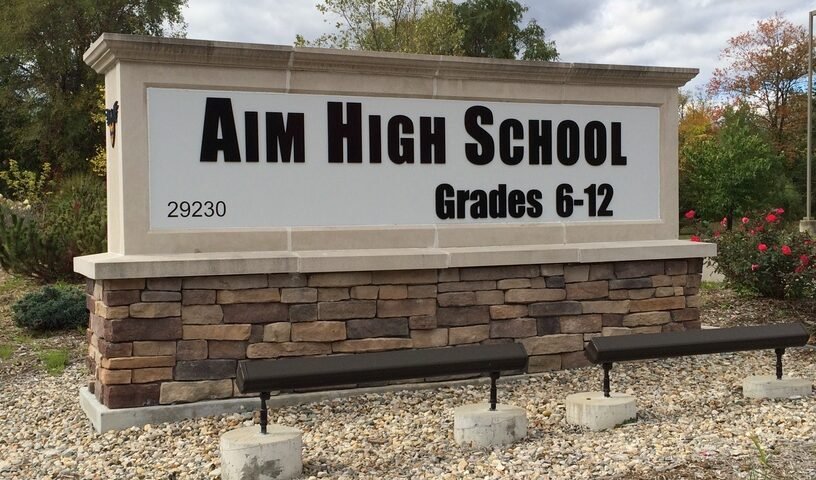
Location –  29230 W 12 Mile Rd, Farmington Hills, MI 48334, United States

Website – https://www.aimhighschool.com/

Contact – +1 248-702-6922


At Aim High School, the commitment to empowering students through personalized education is at the forefront of their mission. The school, catering to students in grades 6-12, emphasizes a learning environment where relationships, small class sizes, and individualized attention foster growth in both academics and life skills. Through innovative programs and an inclusive atmosphere, Aim High has created a space where students can thrive academically, socially, and emotionally, regardless of their backgrounds or challenges.

Building Relationships for Learning

One of Aim High’s most distinctive features is its emphasis on building strong relationships between students and teachers. With a maximum of eight students per class, educators can truly understand each learner’s unique needs, strengths, and challenges. This small class size creates an environment where teachers can tailor their instruction to individual students, ensuring that everyone has the support they need to succeed.

These close relationships not only enhance academic performance but also build trust. Many students at Aim High come from previous educational experiences where they may not have felt fully supported. By fostering trust, Aim High helps students rebuild their confidence and re-engage with their education. As a result, students are better equipped to process content, develop communication skills, and manage their emotions in a supportive and understanding environment.

A Research-Based Educational Model

Aim High’s educational model is built on evidence and research. In the early years of the school, the University of Michigan School of Education conducted studies on the impact of the program. The research showed significant gains in social language skills for all students, highlighting the effectiveness of Aim High’s approach. While the formal study has since ended, the school continues to use data and assessments to guide its teaching strategies and ensure that students are progressing.

For students who need additional support in social language skills, Aim High offers a Communications and Life Skills class. This course has been particularly successful in helping students improve their executive functioning, with noticeable gains in areas such as inhibition control and cognitive flexibility. By combining academic learning with life skills training, Aim High ensures that its students are prepared for both school and life beyond the classroom.

Promoting Diversity and Inclusion

Aim High is committed to creating a diverse and inclusive learning environment. With 30% of its student body representing minority groups, the school actively seeks to support students from all backgrounds. The diversity of the student population is not limited to ethnicity or race—Aim High welcomes students with a range of learning differences, including those diagnosed with Autism Spectrum Disorder (ASD) and Attention Deficit Hyperactivity Disorder (ADHD).

By offering financial assistance to families in need, Aim High makes its unique program accessible to students who may not otherwise be able to afford such an educational experience. The school also works closely with mental health professionals, educators, and parent groups to ensure that all students receive the support they need.

Partnerships for Enriched Learning

Aim High values collaboration with local organizations and institutions to enhance the learning experience. One of the school’s key partnerships is with Lawrence Technological University, through which students can earn college credits in subjects such as creative writing, calculus, pre-calculus, and game programming. This dual enrollment program not only gives students a head start on their college education but also introduces them to more advanced academic opportunities.

Additionally, Aim High students participate in the Detroit Economics Club’s Career Readiness Academy. This six-month program provides high school students with essential career readiness skills, including networking, interview techniques, and personal branding. Through this experience, students develop mentor-mentee relationships with professionals in the field, gaining valuable insights that will serve them throughout their careers.

Strong Communication and Parental Involvement

At Aim High, communication between faculty, staff, students, and parents is key to student success. The school maintains an open-door policy, encouraging regular communication between teachers and parents. Weekly progress reports, detailed report cards, and frequent meetings ensure that parents are kept up to date on their child’s academic and social development.

For many students, therapists, psychologists, or other care providers also play an active role in their education. Aim High works closely with these professionals to create a cohesive support system that addresses the unique needs of each student.

Meeting Individual Learning Needs

Aim High’s approach to education is highly individualized. By focusing on abilities rather than disabilities, the school helps students develop their strengths while providing accommodations for their specific learning challenges. Teachers work closely with each student to customize the delivery of content and pace of learning, ensuring that every student is equipped to move forward at their own speed.

Assistive technologies also play a significant role in Aim High’s curriculum. Tools like MathType, OneNote, Google Read&Write, and Dropbox help students overcome challenges related to executive functioning, handwriting, and organization. These technologies allow students to focus on academic content without being held back by physical or learning barriers.

Supporting Student Well-Being and Mental Health

Recognizing the importance of mental health, Aim High places a strong emphasis on student well-being. Each student is paired with a mentor who provides guidance and support throughout their school experience. This mentorship model helps students build trust and develop social and emotional skills that will serve them in adulthood.

Physical activity, mindfulness, and meditation are also integrated into the school day to help students manage the stresses of daily life. These practices teach students healthy ways to cope with challenges, promoting both physical and mental well-being.

Encouraging Creativity, Critical Thinking, and Problem-Solving

Aim High fosters creativity and problem-solving through real-world applications. The school’s life skills program offers hands-on experiences such as negotiating at a pawn shop, changing the oil in a car, and managing a budget. These practical skills are complemented by creative pursuits like cooking, where students plan menus, shop for ingredients, and prepare meals together.

The school store provides another opportunity for students to develop critical thinking and entrepreneurial skills. During lunch, students run the store, managing inventory, marketing, and customer service.

Vision for the Future

As Aim High looks to the future, its goal remains the same: to provide a supportive environment where students with learning and social differences can discover their true potential. The school plans to continue expanding learning opportunities, fostering community engagement, and ensuring that its program is accessible to all students, regardless of financial status.

In a world where traditional educational models may not meet the needs of all students, Aim High School offers a personalized, inclusive, and innovative approach that prepares students for success both in school and in life.

Dr Paul Walton – Creating a Positive Environment for Staff in an International School


“To Be a Leader Is Both a Privilege and A Great Responsibility”

Working in education provides leaders the opportunity to work with professionals from a variety of backgrounds, experiences, and a wide range of pedagogical ideas and approaches.

School leaders can often share successful examples, strategies and processes that have made a significant positive impact on a community of learners.  They have improved the quality of education and outcomes for many students and inspired staff to learn, grow and flourish under their inspirational leadership.  

An experienced International School Leader, Dr Paul Walton brings his views on creating vibrant communities, developing staff and building a positive school environment.  He is a strong believer in high quality professional development for all staff, fostering a culture of collaboration throughout a school and lifelong learning.

Experience

With over 20 years of experience in education both in the UK and internationally, he has been a Principal of international schools in various countries and led schools to ‘Outstanding’ inspection ratings.  He has worked in Hungary, Malaysia, the United States, Slovenia, and Bahrain enjoying a rich variety of cultural differences, experiences and adventures.

He started his career in the UK as a computer science teacher, quickly moved into leadership and led schools on Teaching and Learning, Technology for Learning and Professional Development, and becoming an International School Principal.  

As a Principal and School Inspector, he has continued to visit, support, and learn from schools around the world, developing strategies for best practices to develop the highest possible quality of education throughout many British International Schools.

Starting Points 

I believe that understanding dedicated and passionate professionals starts with building trust, being consistent, and earning respect.  If compassion and understanding are not modeled, then this will not occur in the workplace.  Showing authenticity in your everyday approach will slowly create solid building blocks of building trust and then setting high expectations will lead to improved performance in others according to the Pygmalion effect (1968).

According to Covey (2006), the first steps in creating trust are through self trust and ‘in our ability to set and achieve goals, to keep commitments, to walk our talk’.  In a nutshell, it is created by actions and ‘doing what you have promised to do’.  Fulfilling the promises over time starts to create trust in any sector and having a high standard model for all.

I would personally recommend five points to address in the initial plan to create opportunities for everyone to work together to help build a positive school environment for staff.  The points below are some that I have implemented in British International Schools.  These are:

  1. Demonstrate a Growth Mindset
  2. Foster a Sense of Community
  3. Engage in Open Communication
  4. Celebrate Successes
  5. Encourage Personal Growth

Growth Mindset

When facing a new challenge we often reference ‘Mindset’.  According to Dweck (2007),‘The growth mindset creates a powerful passion for learning’.  Moving from a current to a desired state in an environment requires perseverance and resilience.  Adopting a ‘Growth Mindset’ equips all staff with the belief to improve through hard work, good strategies, and input from others.  It creates a love of learning, embracing challenges, applying effort on the path to mastery and gives staff a greater sense of free will.

We expect our students to do this each day in class and this is the same approach needed when creating a positive community.  It reinforces what we ask students to do by modeling this ourselves.

Sense of Community

A sense of belonging starts with effort first.  Planning and creating meaningful opportunities for your team members to work together needs careful consideration to think about time, environment, purpose, support, and resources.  With this careful consideration, approaching each of these with empathy helps to understand the motivations and worries of members of staff.

These could include off-site functions, a social activity, team building, designated time for a clear and specific purpose of learning or student progress, work in the local area, etc.

Once staff have met in a safe and comfortable climate then follow-up sessions and meetings should be created to further embed this practice.

Over time, this will transform into trust, dependence, and a sense of working together for a common vision.  The staff will be professional first but will have a stronger respect and sense of care for one another personally.

Communication

Anticipate each interaction as an opportunity to demonstrate clear, consistent, and concise communication skills.  Ensure that you are listening actively, and giving your colleague your full attention during the conversation.  Be mindful of your body language and your non-verbal cues such as folding arms, avoiding eye contact, or creating barriers.  Use positive language to motivate and inspire action such as ‘Thank you, Let’s try, We can, Let’s do this, etc.’.  Be open to feedback and listen to the views of others to engage and realign staff when they have questions.

Demonstrate Empathy.  ‘Empathy’ as reported by (Forbes, 2021) is the most important leadership skill according to research, it is essential for happiness and performance and tops the list for enhancing innovation and retention. 

Staff appreciate honest and open communication, avoiding verbose and obscure language helps with engagement and understanding.

Successes

(Wang et al. 2017) stated when people ‘celebrate their achievements, they are more likely to remain motivated and pursue further goals, creating a positive feedback loop of success and satisfaction’.

Celebrating the successes of teams can create further bonds, comfort in this new environment, and extra motivation.  Leaders who focus on the successes of others first again demonstrate a humble, authentic, and ‘service-minded’ approach to leadership and a passion to put others first.

Celebrating quick wins and successes have a positive impact on individuals when building a collaborative environment and also through change management processes. This then creates a sense of purpose as mentioned in the 8-Step Process for Leading Change by Kotter (2002).  The sense of purpose and urgency can be clearly communicated to all staff together and one important aspect of change management is to celebrate successes and quick wins.  Kotter mentions ‘Nothing motivates more than success’. 

Personal Growth

Enable personal growth by applying various coaching methods, support, and mentoring.  Staff should be clear on their roles and responsibilities and receive regular feedback related to their performance.  The feedback should include constructive feedback, with encouragement to seek new challenges and to improve as a lifelong learner.  A key emphasis on active listening should be employed with guiding questions, a demonstration of empathy and a focus to help.  This is a supportive process in a safe environment that can foster further continuous learning in all professionals.

Outside of the meeting, professional development can be introduced in the form of online, in-person, guest speakers, external courses, and internal development.  There are many approaches that can be used to give staff autonomy and ownership and these can be aligned with the vision and development plan of the school.  

I am very motivated to help all staff improve and would encourage all staff to work with other schools as I have seen firsthand the huge impact of TeachMeets, workshops, and hosting professional development events.  I have implemented these in all schools I have worked in including the first TeachMeets from 2015 in Malaysia.  They are inspirational and are available for all educators to work together and make a difference for all students in all schools.    

A Step towards the future

In the next 5-10 years, I believe that a greater emphasis on Emotional Intelligence, Coaching, and Leadership will be included in schools not only for staff but wider opportunities for students as these skills are becoming more desirable in the global workplace.

Final Words of Wisdom

Start with the five building blocks listed above and then add more complex and innovative strategies on top of these.

Put the needs of your team first, and be visible and at the forefront of situations when a crisis, difficult situation, or the inevitable tough days are upon you, and behind the team when the plaudits arrive.  

Always celebrate the successes of the staff team.

References

Douar Shems’y Ecological village, home to 144 orphaned children

After the devastating earthquake of September 2023 in the Al Haouz region, Morocco, a plan for hope was envisioned.

The Moroccan Association for the Aid to Children in Precarious Situations (AMESIP) stepped into action and laid the foundation to create an ecological village. The vision; to provide a safe, benevolent living environment, in harmony with the urgent needs of the Amizmiz community.

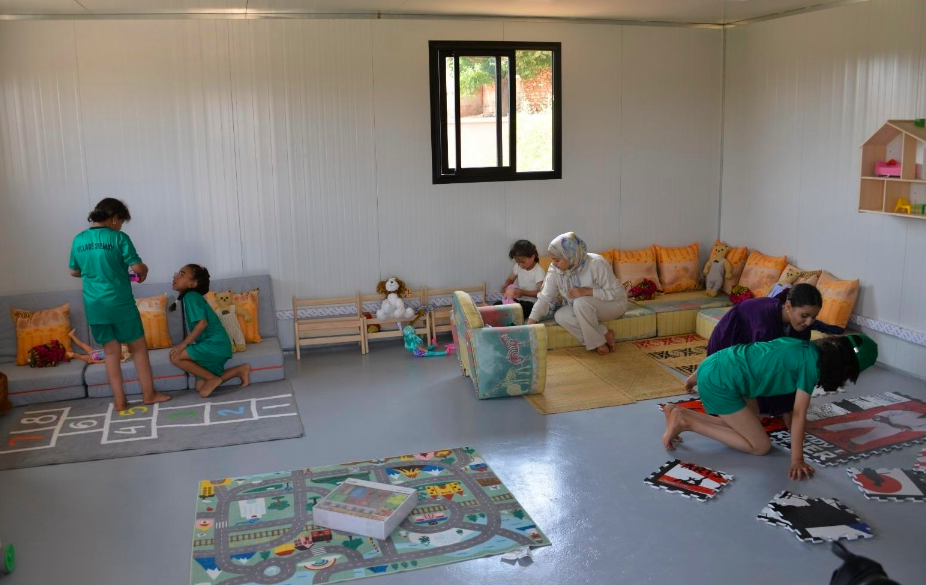
Just 11 months later, on 1 August 2024, an ecological village, Douar Shems’y, opened its doors. Now it’s home to 144 orphaned children, offering them a safe haven, educational and psychosocial support, and a caring environment in which they can flourish.

This project is much more than a shelter: it embodies a holistic vision combining protection, education and sustainable development for the benefit of the most vulnerable children and families.

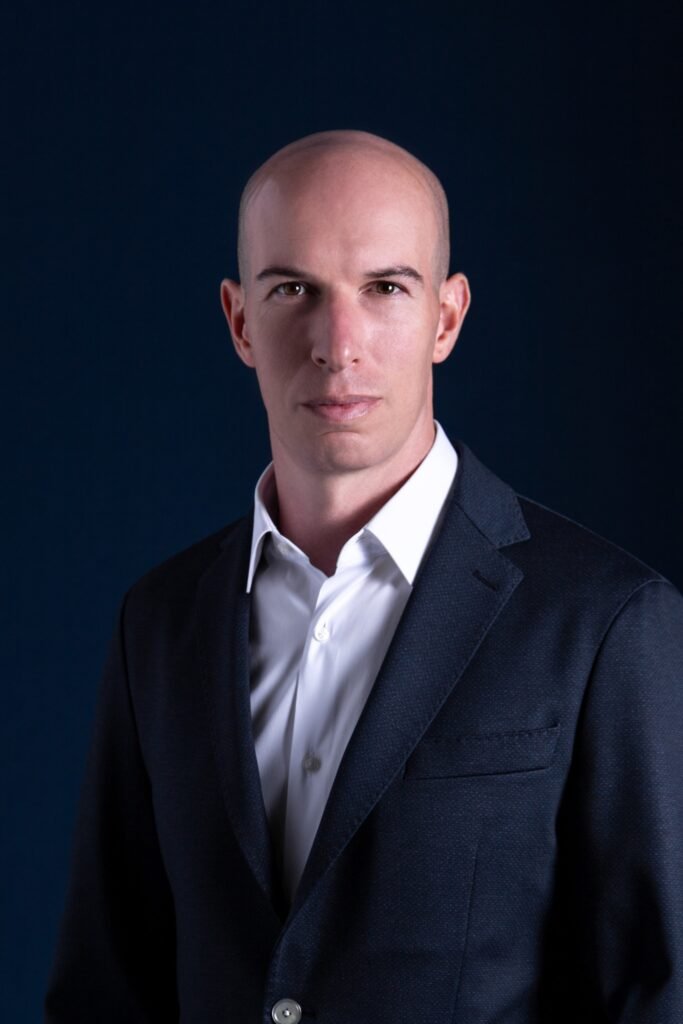
At the heart of the village is a beautiful school, supported by entrepreneur, Aviv Pode. The school is where adapted educational programmes, enriching cultural and sporting activities, as well as sustainable initiatives strengthen the links between people and their environment. Having an extensive background in humanitarian aid and not-for-profit organisations, Pode has supported humanitarian and environmental initiatives such as building public schools in developing countries, planting trees and rebuilding animal shelters. As well as being a humanitarian, environmentalist and educational entrepreneur, Pode is a founder of three eco-friendly bilingual Montessori pre-schools, in Paris, Geneva, and Monaco. Pode shares his insight into how the school within this  unique village will care for, teach and prepare its students for a better future.

Why was it important for you to get involved in humanitarian work and this project in particular?

I served as a regional coordinator in ‘Latel’, a humanitarian organisation, conducting food collection and distribution campaigns, educational programs in schools, and operation of food warehouses.

After participating in a disaster relief mission following the 2003-2004 tsunami in SouthEast Asia, I was so affected by the experience that it led me to further volunteer and carry out humanitarian aid work all over the world. In partnership with Mission Enface, I built three schools in Laos serving 232 children and recently became an official partner and contributor to Save The Children, a global non-profit organisation to protect children in disaster and conflict areas.

After hearing about the devastation and loss for the children in Al Haouz region I felt compelled to support.  As a person, who’s passionate about education, I understand the importance of providing a caring, nurturing and safe environment for children where teaching and learning is at the heart.

Can you tell us about some of your other eco-friendly initiatives?

I aspire to be a positive contributor to the planet and caring for the environment is one of my core values. With the devastating bushfires in Australia to the extreme drought in Central and North Africa, I wanted to contribute by planting over 5,000 trees in Australia and Africa in cooperation with One-Tree-Planted, providing clean drinking water and sanitation solutions to remote communities through Water For People and supporting climate change research through TogetherBand.

Within the schools that I founded, I have ensured that the furniture, toys, and learning materials are eco-friendly and LEED (Leadership in Energy and Environmental Design) certified. In each school, there is an integrated eco-curriculum embedded in the daily program, exposing and involving our little learners in biodiversity, plastic pollution, wild-life preservation, and teaching the children about the importance of being positive contributors to their communities and the planet.

What is the vision for the school and the village?

The vision is to support the orphans in their reconstruction process and guide them to a bright future despite the challenges they have faced. We have a dedicated team of educators, cultural specialists and social workers who will be present to carefully ensure their development and overall development. Each child is considered a seed of hope for the future of the country, and AMESIP has made a pledge to accompany them throughout their journey.

How is the school providing a supportive and inspiring learning environment?

The school strives to inspire in every facet from individualised and adaptive learning to the actual physical learning environment. The foundation of the school is to ensure a safe and development-friendly environment for children by providing them with quality infrastructure, educational programs adapted to their level and vocational training opportunities for adolescents. The primary objective is to create a stimulating and inclusive educational environment for the children of the village, with an approach:

Growing in well-being and dignity”

In order to achieve this goal we will focus on five main objectives:

  1. Rehabilitation and Education
  2. New digital technology
  3. Integral Psychological Support
  4. Mental Health Education
  5. Community Support

How will the physical environment support the children?

The architecture is very respectful of the natural environment of the region, so that children grow in symbiosis with their land. The design of the school comprises natural, eco-friendly furniture and materials. The rooms are without strong colours or other distractions to encourage optimal and uninterrupted learning.

The children also have access to a range of high-quality sports facilities and an educational vegetable garden; where children learn to grow seasonal vegetables while following food traceability for a healthy and responsible diet.

What makes the village ‘eco-friendly’?

Douar Shems’y is a model of eco-responsibility; respecting the environment and supporting sustainability. As well as the educational vegetable garden there are already a number of systems in place at Douar Shems’y that the children will learn about and be involved in, including a water treatment system which provides clean and accessible drinking water and a photovoltaic power plant that provides renewable energy to power the village.a

Is there a way that readers could support this project further?

Yes, if anyone would like to contribute to the sustainability of this unique project to ensure that Douar Shems’y continues to grow and offer a better life to its residents, there is a national fundraising campaign ‘kiwicollecte.ma’

Also, there are social media links that will keep you up to date with the campaign and news from the village:

Website: www.amesip.org

Facebook: Official Amesip

Instagram: shemsy_amesip

LinkedIn: amesip ong

Jadis Blurton: A Trailblazer in Transforming Education

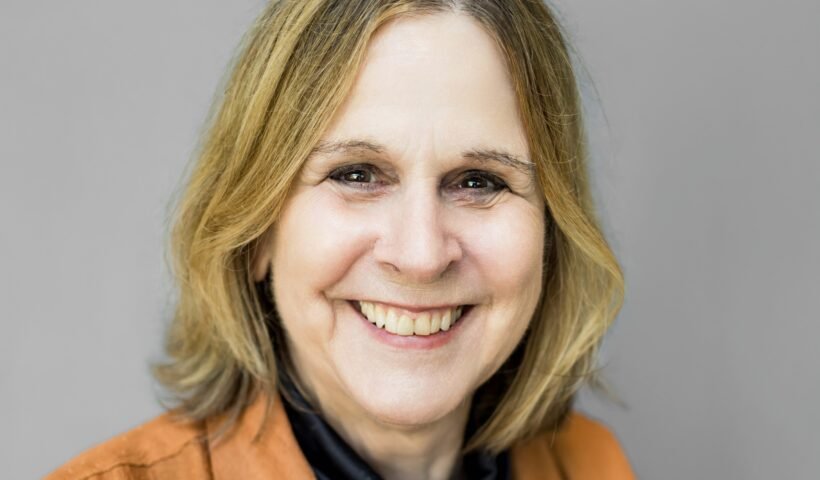
Dr. Jadis Blurton is a name synonymous with innovation and inclusivity in education. From her early fascination with schooling to her groundbreaking work as Head of School at The Harbour School (THS) in Hong Kong, her journey is one of resilience, passion, and unrelenting commitment to transforming how children learn.

A Journey Rooted in Passion

Jadis’s path into education was ignited during her childhood. “I started my first school when I was seven years old,” she recalls, driven by the desire to create a school that children truly enjoyed. This passion grew alongside her personal experiences as a mother. Raising a gifted child and another with special needs inspired her to delve deeper into education, leading her to become a certified Montessori teacher and pursue advanced degrees in gifted education and developmental psychology.

Her expertise eventually brought her to Hong Kong, where she established a private practice working with families and schools across Asia. It was here that she encountered children who struggled to fit into conventional educational models, further fueling her mission to create inclusive and innovative learning environments.

The Birth of The Harbour School

The story of The Harbour School is as unique as Jadis herself. A chance lunch meeting with a school founder who lacked resources, curriculum, and students set the stage for what would become a transformative journey. Reluctantly stepping into the role of Head of School, Jadis found an opportunity to reimagine education from the ground up.

Together with her husband, who holds a PhD in education, Jadis designed THS to prioritize experiential learning, inclusivity, and forward-thinking science and technology education. Today, THS stands as an award-winning institution, recognized globally for its sustainability and progressive teaching methods. Starting with just seven students, the school has grown into a community that caters to gifted children, mainstream learners, and those with learning differences, reflecting Jadis’s commitment to unlocking the potential of every student.

Challenges as a Woman Leader in Education

Jadis’s leadership journey reflects the broader challenges faced by women in education. While her unconventional entry into the field shielded her from some barriers, she notes the gender disparity in senior leadership roles within education. “At senior leadership conferences, it’s striking that so many of them are male,” she observes.

The balancing act of professional responsibilities and family life is another hurdle many women face. As a mother of seven, Jadis understands this firsthand. “The mental load and assumptions about responsibilities can be overwhelming,” she shares, recounting her experience of juggling two jobs at universities while pursuing a PhD. The ever-present guilt—whether for not spending enough time with children or not dedicating enough to work—is a tension she believes women feel more acutely than men.

Her advice to women is candid and practical: “Understand that you will never achieve that balance. It’s a constant juggle, and you will drop a ball or two on occasion. But remember, your work sets a good example for your daughters and sons about what women can accomplish.”

Driving Change in Education

For Jadis, the role of women in education goes beyond breaking personal barriers. She believes women can drive systemic change, particularly in promoting equity. “A major goal for women should be equity—not just supporting girls but supporting girls and boys equally. Kids should learn to appreciate each other’s strengths and weaknesses without one being superior to the other.”

At THS, Jadis has led initiatives that challenge traditional educational models. From experiential learning to an emphasis on sustainability, the school fosters creativity, critical thinking, and adaptability—skills that will define the future workforce. Despite initial resistance from parents and stakeholders accustomed to conventional education, the success of these methods has positioned THS as a beacon of innovation.

Lessons from Influences and Mentors

Jadis credits much of her educational philosophy to Maria Montessori, whose respect for children and pioneering approaches deeply resonate with her. “She was an educational rebel, constantly evolving and creating new methods,” Jadis notes. Her husband has also been an invaluable mentor, particularly in shaping THS’s focus on science and technology education.

Envisioning the Future of Education

Looking ahead, Jadis emphasizes the urgent need for systemic change in education. “Today’s education system has been outdated for decades,” she asserts. While the pandemic has accelerated conversations around mental health and alternative learning contexts, much remains to be done to break free from traditional classroom models.

Women, she believes, will play a pivotal role in shaping this future. With resilience, creativity, and a commitment to equity, women educators are uniquely positioned to challenge norms and build more inclusive and innovative learning environments.

Advice for Aspiring Women Educators

Jadis encourages young women to embrace education as a career. “It’s a fantastic field for women, especially those with families, as it allows for flexible integration of work and family life,” she says. The constant learning opportunities, creativity, and fulfillment make it a rewarding profession.

Her message is clear: education is not just a job but a platform for driving change, inspiring generations, and creating a better future. With leaders like Jadis Blurton at the helm, the future of education indeed looks brighter and more inclusive.

The Most Influential Education Leaders 2024

The Most Empowering Women in Education 2024

The Transformative Journey of Shri Sanjay Thakur: Leading the Future of Hospitality Education


Introduction

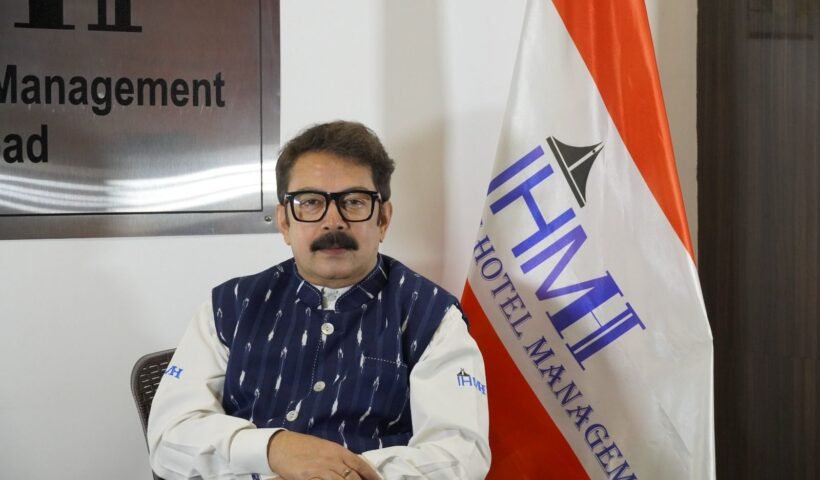
In a rapidly evolving world, the hospitality industry stands as a testament to the power of human connection and service. At the forefront of this dynamic field is Shri Sanjay Thakur, an inspiring leader whose multifaceted career has redefined the boundaries of hospitality education. With over thirty years of experience, Shri Thakur’s journey from a passionate entrepreneur to the Principal of the Institute of Hotel Management, Hyderabad (IHMH), is a remarkable narrative of dedication, innovation, and excellence.

A Journey of Passion and Purpose

Shri Sanjay Thakur is a man of many talents—a passionate entrepreneur, a committed leader, a creative artist, and a sportsman. His journey into the world of travel and tourism began over three decades ago, with pivotal roles in prestigious organizations such as Taj, Oberoi, and ITDC. This vast experience ignited his entrepreneurial spirit and propelled him to launch successful ventures like Shanghai Surprise and Old-Fox, both of which have become significant players in the hospitality industry.

His leadership has transformed IHM – Hyderabad into one of the top three hotel management institutions in India. His relentless focus on people development, coupled with an entrepreneurial mindset, has not only advanced the institution’s standing but also earned him recognition as the first Principal to receive the Unsung Hero Award from ACCOR Hotels and honors from the Rotary Club International for his contributions to hospitality education.

Leveraging Technology in Education

In today’s world, technology is reshaping every industry, and education is no exception. Shri Thakur believes in the transformative power of technology to enhance learning outcomes. As the Principal of IHM – Hyderabad, he has championed the integration of technology to create dynamic, interactive learning environments.

Personalized Learning: At IHM – Hyderabad, technology is harnessed to tailor education to individual student needs. Adaptive learning platforms and personalized modules provide customized learning paths, ensuring every student receives the attention and support required to excel.

Interactive Learning Experiences: Through virtual and augmented reality, students can immerse themselves in different culinary environments, experiencing global cuisines firsthand. Interactive simulations provide hands-on practice in hotel operations, enhancing students’ practical skills.

Bridging the Industry-Academia Gap: Shri Thakur has fostered collaborations between academia and industry through online platforms that connect students with industry professionals for mentorship and internships. By integrating industry-relevant projects into the curriculum, students gain real-world exposure and stay updated with the latest industry trends.

Data-Driven Decision Making: A robust student information system at IHM – Hyderabad generates valuable data on student performance, enabling informed decision-making and timely interventions.

Developing Digital Literacy: Recognizing the importance of digital skills, IHM -Hyderabad incorporates digital literacy modules into its curriculum, preparing students for the digital age and instilling responsible technology usage.

The Educator’s Role in Preparing Students for the Future

Educators play a pivotal role in preparing students for the rapidly evolving job market. Shri Thakur envisions educators as architects of the future workforce, designing learning experiences that equip students with future-ready skills.

Cultivating Future-Ready Skills: Beyond subject matter expertise, Shri Thakur emphasizes the development of critical soft skills such as creativity, communication, collaboration, and adaptability. These skills empower students to navigate complexities and become innovative leaders.

Fostering Lifelong Learning: In a constantly changing job market, Shri Thakur advocates for a passion for lifelong learning. By equipping students with digital literacy and self-directed learning skills, educators can foster continuous growth.

Promoting an Entrepreneurial Mindset: By encouraging students to think critically and develop innovative solutions, educators can nurture a culture of entrepreneurship and innovation.

Developing Global Citizenship: Shri Thakur believes in cultivating intercultural understanding and empathy, preparing students to contribute positively to a globalized economy.

Emphasizing Well-being and Resilience: By prioritizing students’ well-being, educators ensure they are emotionally equipped to thrive in demanding workplaces.

Institute of Hotel Management, Hyderabad: A Legacy of Excellence

Established in 1972, the Institute of Hotel Management, Hyderabad, is a prestigious institution recognized as a pioneer in hospitality education. Under Shri Thakur’s leadership, IHM – Hyderabad offers world-class programs that blend academic knowledge with practical industry exposure, ensuring students are well-prepared for successful careers in the hospitality sector.

IHMH’s strong emphasis on industry collaboration provides students with ample opportunities for hands-on experience through internships, live projects, and industry interactions. With state-of-the-art infrastructure and a proven track record of producing industry leaders, IHM – Hyderabad  is a preferred choice for aspiring hospitality professionals.

Overcoming Challenges and Driving Change

One of the most significant challenges Shri Thakur faced as Principal was aligning the curriculum with the ever-changing demands of the hospitality industry. Through strong industry partnerships, faculty development programs, and a focus on innovation and entrepreneurship, he has successfully bridged the gap between academia and industry. By implementing these strategies, IHM – Hyderabad  now equips students with the practical skills and mindset required to thrive in the dynamic hospitality landscape.

Motivation and Vision for the Future

Shri Thakur’s motivation stems from a deep-seated passion for education and a profound belief in the transformative power of hospitality. Witnessing the growth and achievements of students, striving for institutional excellence, and contributing to the hospitality industry’s development fuel his determination.

Looking to the future, Shri Thakur envisions a personalized, accessible, and lifelong education system that fosters creativity, critical thinking, and global citizenship. As an education leader, he aspires to be a catalyst for transformation, championing innovation, building partnerships, developing future-ready leaders, and advocating for equity in education.

A Message to Students: Empowering the Architects of the Future

Shri Thakur’s message to students is clear: “You are the architects of your future.” This message encapsulates the belief that students possess the power to shape their destinies. By cultivating a growth mindset, embracing lifelong learning, pursuing excellence, becoming global citizens, and unleashing their potential, students can become confident, compassionate, and innovative leaders.

Conclusion

Shri Sanjay Thakur’s journey is a testament to the power of passion, innovation, and leadership. As an inspiring education leader, he continues to shape the future of hospitality education, empowering students to reach their full potential and contribute positively to society. His vision for a transformative education system serves as a guiding light for the next generation of hospitality professionals.

Simon Burbury: Master of Marlborough College Malaysia, Educator, Marathoner, and Visionary Leader


Simon Burbury’s journey in education is one marked by dedication, a wide range of experiences, and a passion for nurturing young minds. His career has taken him across continents, from Egypt to Scotland and finally to Malaysia, where he currently serves as the Master of Marlborough College Malaysia (MCM). Appointed on August 1, 2023, Burbury is deeply honored to lead one of the world’s most respected institutions, describing his experience so far as “rewarding, humbling, inspiring, and a whole lot of fun.” With a diverse background in music, sports, and adventure, he brings a unique blend of talents to the educational landscape.

From Music Teacher to Head of Marlborough College Malaysia

Burbury’s journey in education began as a music teacher in Egypt, followed by his role as Director of Music in Singapore. With a passion for student well-being, he eventually transitioned into an Assistant Head role in Scotland, where he focused on pastoral care. His experiences culminated in senior leadership roles, including Senior Deputy Head and Head of Boarding, before taking up the position of Master at MCM.

Throughout his career, he has been driven by a desire to foster a supportive and stimulating environment for students, encouraging them to reach beyond their limits. Marlborough College Malaysia’s vibrant community, set against the serene backdrop of the Malaysian landscape, perfectly aligns with Burbury’s commitment to providing students with opportunities that are as challenging as they are rewarding.

An Adventurer’s Spirit: From Marathons to Ultra-Marathons

Burbury’s commitment to pushing his own limits is exemplified by his participation in the Marathon des Sables (MdS), often referred to as “the toughest footrace on Earth.” His journey as a runner began two decades ago when he set out to improve his fitness, initially struggling with short distances. Through persistence, he eventually ran the London Marathon in 2010, then continued to challenge himself by running ultra-marathons.

The MdS was the ultimate test, featuring grueling desert landscapes, salt plains, and scorching temperatures. Burbury describes it as an “extraordinary experience,” where the camaraderie among participants was as memorable as the physical challenge. His resilience, determination, and ability to find joy in adversity are qualities he instills in his students.

An Eclectic Background in Music, Diving, and Naval Service

Beyond education and athletics, Burbury has pursued several other passions, including concert piano performance, scuba diving, and naval training. His first visit to Malaysia was as a concert pianist, performing Rachmaninov’s 2nd Piano Concerto with the DBKL Symphony Orchestra, a testament to his serious commitment to music. During his years in Egypt, he also developed a love for scuba diving and became a certified instructor, guiding students on diving excursions in the Red Sea.

In addition, Burbury served as a naval officer, where he trained cadets in activities such as sailing and powerboating. This diverse background not only enriched his life but also equipped him with a broad set of skills and experiences that he draws upon in his role as an educator. He sees these interests as complementary to his work, enhancing his ability to offer students unique learning experiences.

Embracing Technology in Modern Education

Reflecting on the rapid evolution of technology, Burbury acknowledges how vastly education has transformed. He recalls his own school days, where encyclopedias filled the role of today’s internet. Now, he envisions technology, particularly artificial intelligence (AI), as a tool that, when used thoughtfully, can revolutionize learning by providing virtual tutors for students and virtual assistants for teachers. By harnessing AI, he believes that classrooms can shift from knowledge-based to skills-based learning environments, tailored to the individual needs of each student.

Preparing Students for the Future

In a rapidly changing world, Burbury emphasizes the importance of preparing students for a future filled with uncertainty. His approach is to cultivate resilience, emotional intelligence, and a proactive mindset. While academic excellence is important, he believes that co-curricular activities—ranging from arts to sports and service programs—play a crucial role in developing “grit” and the ability to adapt to different challenges. His own journey is a testament to this belief, as he continuously sought experiences outside his comfort zone, learning valuable life skills along the way.

Marlborough College Malaysia: A World-Class Institution

Burbury holds a deep admiration for Marlborough College Malaysia, which has been recognized internationally for its excellence. Recently awarded “International School of the Year 2024” and named among the top 100 private schools globally, MCM combines the best of British independent schooling traditions with the strong work ethic and respectfulness of Asian culture. Burbury believes this blend of East and West, combined with the school’s spacious and dynamic campus, creates an unparalleled environment for learning, which he describes as the “Marlborough Spirit.”

The school’s holistic approach to education is something Burbury takes great pride in. He notes that the boarding experience provides students with 24/7 access to dedicated educators, preparing them for life beyond school with independence and confidence.

Leading Through Challenges

Burbury’s leadership skills were put to the test during the COVID-19 pandemic. Faced with the complexities of managing a school community during unprecedented times, he led initiatives to support students’ mental health and continued learning, such as transforming a local outdoor center into a quarantine facility. This allowed students to access education while feeling less isolated, despite the restrictions. His ability to adapt, innovate, and maintain a sense of humor helped him guide MCM through one of the most challenging periods in recent history.

Inspiring Creativity and Critical Thinking

For Burbury, creativity is the cornerstone of education. He believes that students need to learn how to think differently, question norms, and collaborate effectively. To foster these skills, he creates real-world learning opportunities, such as a recent project where Year 8 students developed a business plan for MCM’s lake area, which included conducting research, creating promotional videos, and presenting their ideas to the senior management team. Through such interdisciplinary, hands-on projects, students develop both creativity and critical thinking skills.

Influences and Inspirations

While Burbury’s initial ambition was to become a musician, his life took a turn when he was given the responsibility of leading a children’s wind band at age 18. This experience sparked his love for teaching and working with young people, which continued throughout his studies and ultimately guided him into education. He credits his background in music for instilling in him the qualities of leadership, teamwork, and empathy, which have been instrumental in his career progression from musician to headmaster.

Vision for the Future of Education

Burbury’s vision for MCM is one of continuous improvement and excellence. He aims to establish a world-class Professional Learning Centre for MCM’s educators, known as “Beaks,” to ensure they are equipped with the latest research and pedagogical tools. His goal is for MCM to be the top choice for families seeking a British-style education with an international perspective. He also values the unique opportunities that boarding provides, allowing students to develop independence and refine their academic and social skills under the guidance of dedicated teachers.

A Message to Students: “Be Kind, Work Hard, Get Involved”

Burbury’s message to students around the world is simple yet profound: “Be Kind, Work Hard, Get Involved.” He encourages students to embrace challenges, step outside their comfort zones, and, above all, contribute positively to their communities. His journey, marked by resilience, curiosity, and a commitment to lifelong learning, serves as an inspiring example for students and educators alike. Under his leadership, Marlborough College Malaysia is well-positioned to continue providing a transformative educational experience for generations to come.