
Wartburg International School: Reimagining Education Through Global Learning and Human Connection

Location –  Goethestraße 23, 99817 Eisenach, Germany

Website – https://international-school-germany.org/

Contact – +49 3691 708261


Education has the power to shape not only individual lives but also the future of societies. Wartburg International School (WIS) has been envisioned with this purpose at its core—to create a learning environment that combines academic excellence, international understanding, and meaningful human relationships. Situated in the geographic heart of Germany, the proposed school aims to prepare young people for a rapidly changing world by promoting bilingual education, critical thinking, and lifelong learning.

Rather than simply following traditional educational models, Wartburg International School seeks to introduce an approach that balances intellectual development with social responsibility, wellbeing, and intercultural understanding. Its vision is to become more than a school—it aspires to be a model for future-focused international education.

An Innovative Approach to Teaching and Learning

At the heart of Wartburg International School is a commitment to teaching that encourages deep understanding rather than memorisation. The school proposes a timetable designed around longer 60-minute lessons, allowing students more time to explore ideas, engage in meaningful discussion, and apply their knowledge through practical learning experiences.

The curriculum is designed to provide a balanced education across the humanities, natural sciences, and social sciences. Project-based learning, interdisciplinary studies, and extended thematic blocks encourage students to investigate concepts thoroughly instead of moving quickly from one topic to another. Mathematics, science, philosophy, economics, politics, media studies, arts, and practical subjects are carefully integrated to help learners see connections across disciplines.

This approach reflects the school’s belief that education should cultivate curiosity, independent thinking, and the ability to solve real-world problems.

Building Strong Relationships Through Continuity

One of the defining features of Wartburg International School is its emphasis on long-term relationships between students, teachers, and families.

Rather than requiring students to move between different schools as they grow older, the school is designed to provide a continuous educational journey from Kindergarten through the International Baccalaureate (IB) programme, allowing children to develop within a stable and supportive community.

Teachers work collaboratively as professional partners while maintaining regular communication with parents. Ongoing professional development forms an important part of the school’s culture, with teachers expected to complete substantial continuing education and regularly visit other innovative schools to exchange best practices.

The school also places greater emphasis on constructive feedback than frequent testing, encouraging students to reflect on their own progress and become increasingly independent learners.

A Truly International Learning Environment

As its name suggests, Wartburg International School is designed to bring together learners from diverse cultural and linguistic backgrounds.

Instruction will be delivered in both English and German, allowing students to become proficient in two important international languages while preparing for future study opportunities throughout Central Europe. Younger children benefit from language immersion, while older students gradually study subjects in both languages before transitioning primarily to English for internationally recognised qualifications such as IGCSE and the International Baccalaureate.

Students whose first language is neither English nor German will also have opportunities to share their own language and culture through dedicated cultural interaction classes, reinforcing respect for diversity and strengthening intercultural understanding.

This bilingual philosophy recognises that language is more than a communication tool—it is a bridge between cultures and an essential skill for global citizenship.

Healthy Learning for Long-Term Success

Wartburg International School proposes a school structure designed around student wellbeing as well as academic performance.

Drawing upon research into biological rhythms and learning, the school plans to begin the academic day later than many traditional schools while organising longer teaching periods and fewer interruptions throughout the academic year. Longer instructional blocks, carefully planned school terms, and extended holiday periods are intended to provide students with healthier learning rhythms while allowing international families sufficient time to travel home during major breaks.

The school’s philosophy recognises that meaningful learning flourishes when students experience balance, consistency, and supportive daily routines.

Preparing Students for a Changing World

The curriculum extends well beyond traditional academic subjects by incorporating practical life skills and real-world learning experiences.

Students explore areas such as economics, politics, media studies, philosophy, relationship education, professions, arts, languages, and practical subjects including woodworking, handcrafts, music, theatre, sports, and cultural studies. This broad educational experience is designed to help learners develop intellectual flexibility, creativity, ethical awareness, and practical competence alongside strong academic foundations.

The school also seeks to become part of a wider network of innovative schools throughout Germany, believing that collaboration between educational institutions creates greater opportunities for students, teachers, and communities alike.

A Vision Rooted in Global Responsibility

The vision of Wartburg International School extends beyond preparing students for examinations. It seeks to educate young people who are capable of shaping an increasingly interconnected world with knowledge, empathy, and responsibility.

By combining bilingual education, interdisciplinary learning, strong teacher-student relationships, international perspectives, and healthy learning structures, the school aims to develop confident learners who are equipped to contribute positively to society.

Guided by the principles of global understanding, peaceful cooperation, and lifelong learning, Wartburg International School represents an ambitious educational vision—one that places human relationships, academic excellence, and international collaboration at the centre of everything it hopes to achieve.
The Most Impactful Education Leaders for 2026

The Most Influential Women leaders in Education 2026

The British College of Brazil

The British College of Brazil: A Global Education in the Heart of São Paulo

Location –  Avenida Engenheiro Oscar Americano, 630 Cidade Jardim, São Paulo
Cep. 05673-050 Brazil

Website – https://www.britishcollegebrazil.org

Contact – +55 11 3096 2424


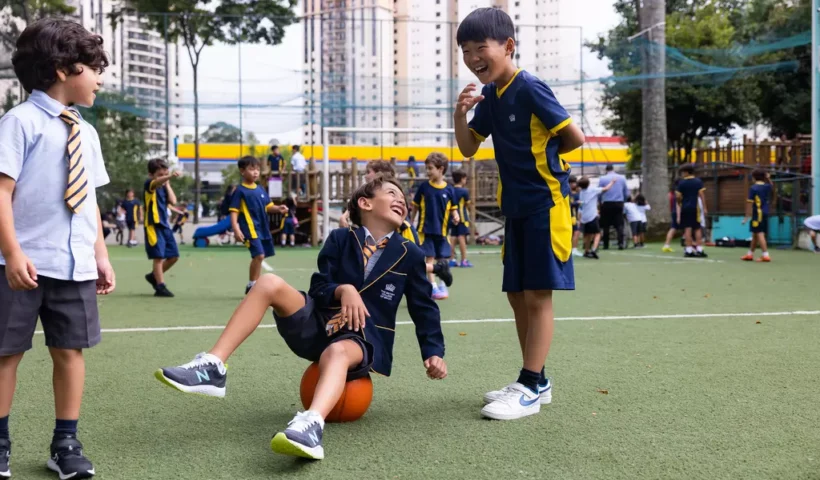
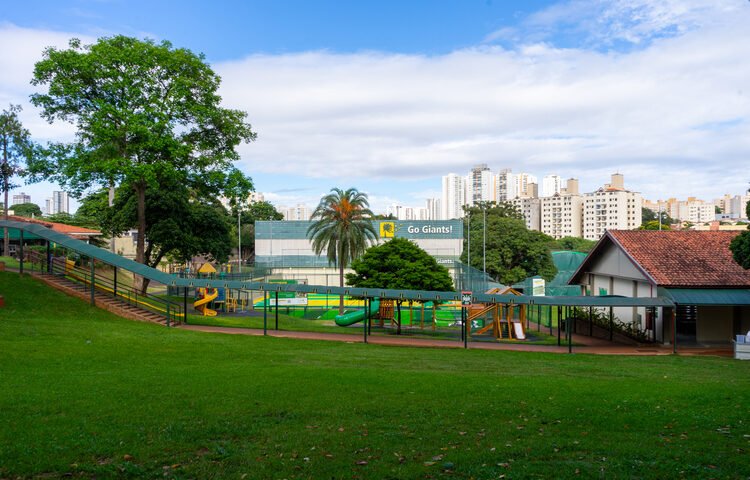
In the midst of one of the world’s most vibrant cities, The British College of Brazil has earned a name for itself as a world-class international school that is academically challenging, innovative, and highly individualized. Located in the heart of São Paulo, Brazil, BCB offers a global education experience tailored to help students succeed not only at the world’s top universities but also in life. Its educational programmes, including the International Baccalaureate Diploma Programme, are designed to ensure learning is relevant, meaningful, and connected to the world around students.

A Strong Academic Foundation with Global Pathways

Innovation is at the heart of BCB’s educational programmes, and this is evident as early as the school’s programmes in the Early Years and Primary. In these programmes, students are offered the International Early Years Curriculum and the International Primary Curriculum, respectively. These are research-informed and evidence-based curricula designed to provide a meaningful and connected learning experience. This creates a seamless pathway to the academic rigors of the IGCSE and later the IBDP, one of the world’s most prestigious pre-university qualifications. Throughout this academic journey, students are encouraged to think, communicate, and problem-solve creatively and courageously. This approach prepares students not only for academic success but also for placements at leading universities worldwide, from São Paulo to Sydney, London to Boston.

A Truly International Community

BCB is one of the most culturally diverse international schools in São Paulo, Brazil. The school brings together students and staff from a wide range of nationalities, cultures, and linguistic backgrounds. This diversity is reflected not only in the community but also in the dialogue within classrooms and the celebrations held throughout the year.

At BCB, different perspectives are valued, fostering global-mindedness from an early age. The school celebrates cultural diversity through events such as the annual International Day, where students attend school wearing traditional clothing and share their cultures through food, music, and storytelling. These experiences promote understanding, appreciation, and a strong sense of belonging among students.

Respect, openness, and intercultural understanding are embedded in daily interactions, preparing students for success in an interconnected world.

Real-World Partnerships That Enrich Learning

BCB believes that learning is enriched by connecting the curriculum to real-world experiences. This has led to partnerships with multinational corporations in São Paulo, including Natura and Bauducco.

For example, Business Management students visit Bauducco to explore manufacturing processes and distribution networks. Students also visit Natura to analyze marketing strategies and brand positioning. These experiences allow students to connect theory with practice while gaining insight into future career pathways.

One of the standout programmes at BCB is the Work Experience Programme for Year 10 and Year 12 students. This provides opportunities for students to intern in São Paulo or abroad across fields such as finance, technology, arts, and engineering. Students consistently describe this programme as one of the most valuable parts of their learning journey.

Communication Built on Trust

At BCB, strong relationships form the foundation of its educational approach, supported by clear and transparent communication.

At the Primary level, ClassDojo is used as a communication tool between school and home. Teachers share messages, photos, and videos of student learning, creating a consistent connection with families. Across all levels, communication is timely, effective, and designed to keep the community informed and engaged.

Supporting Every Learner

As a culturally and linguistically diverse school, BCB understands the importance of providing individualized support. In the classroom, students are encouraged to share their languages, cultures, and experiences, enriching discussions and building confidence.

Students’ multilingual development is supported through purposeful use of texts, collaborative learning structures, and inclusive teaching approaches. BCB views diversity not as a challenge, but as a strength that enhances learning for all.

Well-Being at the Core

At BCB, student well-being is central to the school community. This is supported through the PSHE curriculum, along with weekly well-being sessions focused on gratitude, self-awareness, and emotional development.

As part of Nord Anglia Education, BCB benefits from global research initiatives. Through collaboration with Harvard University’s Project Zero, teachers implement research-based practices that foster curiosity, creativity, critical thinking, and compassion through Project DELTA. The school also explores how factors such as classroom environment and lighting impact student learning and well-being.

This ensures that well-being is supported through both care and evidence-based practices.

Technology with Purpose

Technology at BCB enhances learning in a thoughtful and effective way. Recent investments in Sphero robots have strengthened the teaching of Computing.

Artificial intelligence is also integrated responsibly. Through tools such as Flint, students in Humanities and Languages refine their writing after receiving teacher feedback, improving vocabulary, structure, and thinking skills. This approach prepares students to use technology thoughtfully and responsibly in a rapidly evolving world.

Excellence Through Continuous Improvement

BCB maintains high academic standards through a strong commitment to continuous improvement. The school undergoes regular inspections by Cambridge International and the International Baccalaureate Organization to maintain authorization for its IGCSE and IBDP programmes. Additionally, it participates in annual benchmarking through Nord Anglia Education.

This commitment ensures that academic excellence is balanced with a nurturing and supportive learning environment.

Looking Ahead

The British College of Brazil continues to evolve its curriculum to meet the demands of a changing world. The introduction of the International Early Years Curriculum reflects its commitment to innovation from the earliest stages of education.

BCB remains focused on developing globally aware, academically ambitious, and emotionally intelligent students who are prepared to succeed and lead in a complex, interconnected world.

At the heart of São Paulo, the British College of Brazil stands as a school that balances excellence with compassion, ensuring every student has the opportunity to thrive.

Escola Americana de Campinas: Educating Global Citizens Through Inquiry, Inclusion, and Excellence

Location –  R. Cajamar, 35 – Jardim Alto da Barra, Campinas – SP, 13090-860, Brazil

Website – https://eac.com.br/

Contact – +55 19 2102-1000


Escola Americana de Campinas: Educating Global Citizens Through Inquiry, Inclusion, and Excellence

The city of Campinas, with its vivid and thriving ambiance, is the ideal backdrop that has seen the inception and growth of the renowned K through 12 international school, the Escola Americana de Campinas (EAC), dedicated to the pursuit of academic excellence, open mindset, and the development of the whole child. The vision for an unparalleled educational experience and the global citizen best defines the school.

Inquiry is the basis of the school’s philosophy. From the youngest ages in the Preschool to the end of the High School cycle, the emphasis is on not only receiving education but on seeking knowledge. Through the Montessori system in the Preschool, the child is encouraged to be independent and to explore knowledge. As the child progresses to the Elementary School, the International Baccalaureate Primary Years Programme (IB PYP) curriculum helps him/her develop conceptual understanding and global awareness. The final stages in the High School cycle involve the IB Diploma Programme (IB DP), a rigorous course considered among the best in the world.

This intentional progression promotes academic development while fostering confidence, creativity, and learning resilience in students as well.

A Culture of Openness and Global Mindedness

As an international school, EAC celebrates diversity as one of their greatest strengths. Open-mindedness is not just a touchstone in their mission statement; it is part of their practice every day. Diverse faculty bring their multiple worldviews to their classes, and students experience global citizenship not just through their curriculum, but through school-wide events, cultural celebrations, and inclusive programs.

This environment encourages understanding, respect, and interest in different cultures and experiences, all of which are necessary for future students who will be connected in the world.

Partnerships That Expand Learning Beyond Campus

EAC is actually very good at making connections between the classroom and the real world. Students, at all grade levels, participate in field trips to various companies, including those of the Associated Companies and those of their parents.

For High School students, university fairs with both local and international institutions can be instrumental in orienting them to make proper choices about their future in higher institutions. Additionally, job shadowing programs, undertaken through partnerships with volunteer organizations and businesses, can be pivotal in allowing High School students to pursue their interests in careers.

Strong Communication, Strong Community

A distinctive feature of EAC is the importance it gives to transparent communication. The school has a strong belief in establishing a strong connection between faculties, students, and families, ensuring proper communication among them.

Parents are able to get updates on a regular basis through emails as well as through a specialized school application developed specifically to cater to the needs of EAC. In addition to basic communication on logistics, there are opportunities to get other voices engaged. Employees, parents, as well as the students themselves, are encouraged to be active participants.

Supporting Every Learner

EAC understands that attaining excellence in the field of education requires consideration of the needs of individuals. The school provides its students with comprehensive support services. Both local and international students benefit from various student support services such as Counseling, English as an Additional Language (EAL), Portuguese Language Learning (PLL), as well as Language Acquisition.

The Korean students, representing 15% of the total student population, are served by a Korean Support department that contributes to the development and adaptation of their language and culture. Such support for students from diverse linguistic backgrounds gives them confidence and a feeling of being understood and part of the school.

Well-Being as a Foundation for Success

The academic performance at EAC cannot be disengaged from the health and well-being of the students. The students are taught Social-Emotional Learning (SEL) from the onset. For the junior students, the students have dedicated SEL lessons. For the Upper School students, there is Advisory.

There is also access to psycho-behavioral support services, counseling services, adaptation services, psycho-monitoring systems like E-Pulse, among others. This allows the school to understand and address the needs of every child in an extraordinary way before things may affect them or their education in a negative manner.

Cultivating Curiosity, Creativity, and Critical Thinking

The philosophy of creativity and critical thinking is integral to the educational framework of EAC. Both the Montessori and IB systems place great emphasis on inquiry methods as well as interdisciplinary approaches to learning.

A good example of such a product is the PYP Exhibition, an activity carried out by students at the end of Elementary School. The process that the children follow involves independent research, as well as collaborative inquiry and problem-solving from real-world situations. The exhibition not only provides an opportunity for the children to display the knowledge they have acquired, but it also displays the children’s capacity to think critically, communicate effectively, and finally, to assume ownership of the learning process.

For instance, the school’s vision statement, which reads, “Cultivate our curiosity as learners,” summarizes the extent of EAC’s commitment. EAC attempts to guarantee that curiosity endures beyond its classrooms.

Integrating Technology Thoughtfully

EAC has a robust technology infrastructure that is student-centered, designed to enrich learning, not replace basic skills. The elementary school, consisting of Grades 1 to 5, is equipped with a one-to-one Chromebook initiative. The STEAM Lab is equipped with 25 iPads to deliver coding, robotics, and design learning strategies.

At the Upper School, a bring-your-own-device policy allows the school to integrate technology through seamless student research and collaboration. There are interactive audio-visual recording systems in the classrooms. There are various educational platforms that the school subscribes to in order to offer integrated instruction in all subjects.

Excellence with Humanity

The academic standards at EAC are rigorous. Data from internal assessments, NWEA MAP assessment tests, and IB exams indicates that academic performance at the school is good. However, the academic standards are set within a humanistic framework.

Its balance—between excellence and empathy—characterizes an experience at the EAC.

Looking to the Future

Yet, even as the school continues to expand, Escola Americana de Campinas remains dedicated to its mission to produce global citizens. A significant project in the works is the development of a new Arts Center with a theater, foyer, and specific classrooms. This is to reiterate the school’s commitment to not only fostering the educational and intellectual growth of its students but also to their artistic, social, and emotional development.

In an ever-changing world, EAC remains an exemplary model of what international education can achieve in its pursuit of tradition, innovation, and excellence by nurturing qualities like curiosity, inclusion, and excellence, which help its learners at the Escola Americana de Campinas become not only good learners, but good human beings.

Pre-College Programs of The Year 2026

Italy’s Most Inspiring Education Leaders 2026

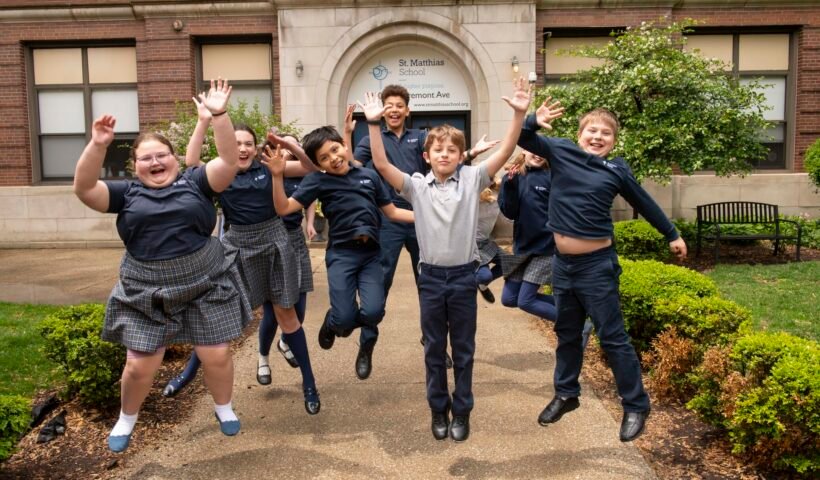
St. Matthias School: Where Faith, Excellence, and Inclusion Meet

Location –  4910 N Claremont Ave, Chicago, IL 60625, United States

Website – https://www.stmatthiasschool.org/

Contact – +1 773-784-0999


On the North Side of Chicago, St. Matthias School stands as a compelling example of what is
possible when faith, academic excellence, and authentic inclusion are fully integrated. Rooted in
the Catholic tradition and committed to the development of the whole child, St. Matthias has
built a community that values diversity, pursues excellence, and ensures every scholar is truly
known.

As the only Catholic school in Illinois recognized as both a National Blue Ribbon School and a
wall to wall International Baccalaureate (IB) World School, St. Matthias holds a distinctive place
in Catholic education. Serving families from more than 18 zip codes across Chicagoland, the
school’s reputation is grounded not only in strong academic outcomes, but also in its welcoming
spirit and deep commitment to belonging.

A Truly Inclusive Community

At the heart of St. Matthias is a simple but powerful belief: every family seeking a high-quality
Catholic education deserves access to one. The school reflects remarkable diversity across
socioeconomic, racial, cultural, and faith backgrounds — a diversity that strengthens the entire
community.

Inclusion is not an abstract ideal; it is embedded in daily practice. St. Matthias prioritizes support
for students with Individualized Educational Plans (IEPs) and 504 Education Plans through a
dedicated Director of Inclusive Services who is both a licensed special education teacher and a
liaison to the local public school district.

As a Title I school, St. Matthias provides additional academic support in reading and math to
qualifying scholars. The school collaborates with the local public school district to offer speech
services and welcomes private providers who deliver occupational therapy, ABA services, and
other supports during the school day. This comprehensive, layered system ensures scholars are
not merely accommodated, but empowered to thrive.

Partnerships That Enrich Learning

St. Matthias School extends learning beyond its classroom walls through meaningful
partnerships. As a traditional Big Shoulders Fund school, it benefits from mission-aligned
collaboration that supports scholarships, educator leadership development, enrichment
programming, and long-term sustainability.

The arts also play an important role in student formation. A highlight of the middle school
experience is the Sixth Grade Dance Residency Program — a 10-week ballroom dance
residency led by professional instructors. Scholars learn technique, poise, and etiquette,
culminating in a celebratory competition with peers from other schools. Experiences like this
cultivate confidence, discipline, and joy.

Clear Communication, Strong Community

A culture of intentional communication strengthens trust and unity within the school. Students
gather daily for announcements and weekly for Mass, reinforcing both community and faith.
Monthly All-School Assemblies provide opportunities to celebrate achievements and milestones
together.

Families remain closely connected through weekly teacher newsletters, Room Parent
communications, a Middle School blog, principal updates, and a comprehensive school website.
Faculty members participate in weekly professional development meetings, supported by the
Principal’s “Peek at the Week” alignment updates and individual check-ins focused on growth.
This structured, transparent communication fosters consistency, collaboration, and a deep
sense of belonging for scholars, families, and staff alike.

Prioritizing Student Well-Being

St. Matthias recognizes that academic success and emotional well-being are inseparable. The
School Counselor works individually with scholars — particularly those with IEPs and 504 plans
— and partners with teachers to integrate social-emotional learning into classrooms.
The school also collaborates with Elyssa’s Mission, a not-for-profit organization, to provide
suicide awareness, screening, and prevention education. These efforts equip scholars with the
tools to care for themselves and to support one another with compassion.

The House System, established three years ago, further strengthens connection. Every scholar
from preschool through eighth grade belongs to one of eleven multi-age houses. Through
shared celebrations tied to holidays and liturgical seasons, scholars build relationships across
grade levels, with older students serving as mentors and role models. The result is a cohesive
student body rooted in mutual respect and shared identity.

Academic Rigor with a Growth Mindset

Recognized as a 2025 National Blue Ribbon School, St. Matthias demonstrates a sustained
commitment to excellence. That academic excellence is exemplified with scores reflecting 89%
of all scholars meeting and exceeding reading standards, and 86% of all scholars meeting and
exceeding math standards. Scholars participate in structured data conversations with teachers
following diagnostic assessments conducted three times annually. These discussions focus on
individual growth rather than comparison, reinforcing a culture of reflection and continuous
improvement.

The Peer Tutoring Program deepens both learning and leadership. Older students mentor
younger peers under teacher guidance, strengthening academic understanding while cultivating
empathy, collaboration, and responsibility.

Through its IB framework — aligned with national, state, Archdiocesan, and local standards —
St. Matthias prepares students not only for high school success, but for thoughtful global
citizenship.

A Vision Anchored in Faith and Growth

At a time when Catholic school enrollment is declining nationwide, St. Matthias remains
mission-driven and forward-looking. Financial accessibility is a central priority, with a
commitment to supporting more than 25% of scholars who demonstrate financial need. Strong
fundraising efforts help ensure that socioeconomic circumstances do not prevent families from
accessing Catholic education.

Looking ahead, the school is focused on sustaining and growing enrollment, strengthening
relationships with local early childhood centers, expanding summer programming, and
preserving its historic campus. Simultaneously, it continues to deepen its Catholic identity
through close collaboration with the parish and pastor, encouraging families to extend faith
formation beyond the school day.

Above all, St. Matthias School forms students who are academically prepared, spiritually
grounded, and motivated to serve a higher purpose; one greater than themselves. Rooted in
faith and anchored in God’s love, St. Matthias School scholars grow into confident,
compassionate leaders are today’s community learners and tomorrow’s global leaders.

PAL International Schools: Smarter, Kinder, and More Nature-Inclined Lifelong Learners

Location –  3-11-11 Asahi-cho Fuchu-shi Tokyo(TUFS)
TEL 042-306-9955

Website – https://seiwagakuen.ed.jp/pal/

Contact – +81 3-5770-8166


For over 80 years, Seiwa Gakuen has been an advocate of CCE in Japan. The philosophy behind Seiwa’s child-centered education has led to the inception of the PAL International Schools, which comprise the unique learning environments of both the PAL @ Hiroo School and the PAL @ TUFS School, both of which have the common goal of enabling children to think independently, ask real questions, and grow in confidence in an ever-changing world.

Education is not about looking for the right answer at PAL. Education is about cultivating the curious, the healthy, and the brave. Every child is seen as able and unique. Every learning path is appreciated as personal and purposeful.

Two Campuses, One Vision

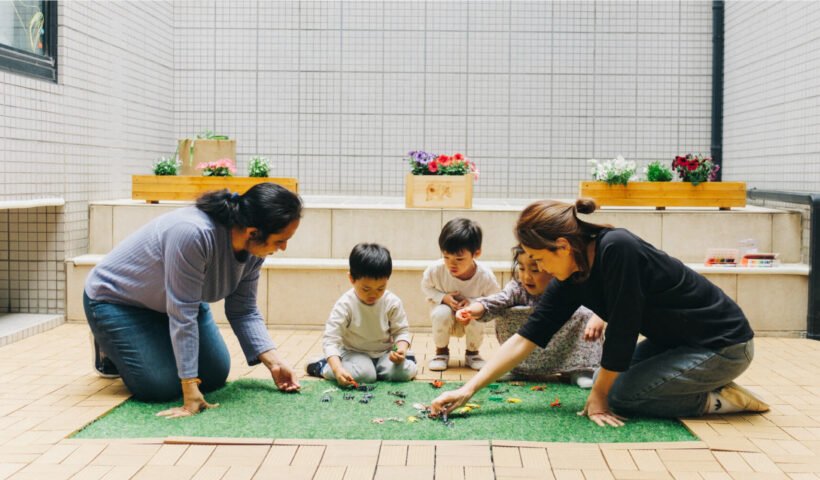
PAL@Hiroo has an excellent location in a neighborhood called Nishi-Azabu that is mostly residential in nature, providing a warm and “house-like” environment that makes the school feel more like a second home rather than a school. Perhaps one of the most precious facilities at the school is the rooftop garden, where the children get to develop their own little connection with nature in the midst of the huge metropolis of Tokyo itself. Located adjacent to the school is the child development support center, Mingle Club, working closely in partnership with the PAL community.

PAL@TUFS, situated within the Tokyo University of Foreign Studies campus, provides a somewhat alternative yet equally inspiring environment. Children find themselves surrounded by the ambiance of nature and the diversity of a multicultural academic community. The large space offers a home-like setting where the child is encouraged to explore various aspects of the world that are just like the actual world.

Although these premises are located in different environments, they share the same fundamental vision of being a “third home” for children, which combines both family and society.

Learning Through Inquiry Rather Than Instruction

However, what really sets PAL International Schools apart is their emphasis on inquiry learning. Instead of giving too much emphasis to product goals, teachers engage students in learning experiences starting from their observations and queries. Learning is organic and student-initiated.

This approach finds inspiration in global early childhood curriculum frameworks like New Zealand’s Te Whāriki and Italy’s Reggio Emilia model. The children are not mere recipients of information in a PAL classroom; they are co-creators of it. A simple question like “Why do leaves change colors? How does water flow? What makes something float?” could spark learning activities that stretch into days or even weeks.

What kind of result does this produce? Not simply knowledge acquisition, but intrinsic motivation. Children learn how to think, not what to think.

A Multilingual, Multicultural Environment

The main language used for communication is English, as it is in PAL, though it is a multicultural environment. The interaction between Japanese teachers and international educators creates a multicultural situation. The children get a chance to cope with and be exposed to many languages, thus enriching their communicational skills.

The concept of diversity is not mentioned casually but is an inherent part of daily life. People from diverse international backgrounds, along with their families, are part of the staff. So, it is a regular feature to experience language, cultural, and thought process-related diversity.

Safety Rooted in Trust and Care

At PAL, safety is not just physical. Psychological safety, which provides a child with a sense of security, self-worth, and being “heard,” is just as important.

Teachers observe the children and engage in empathetic dialogues to understand the emotional needs that each child requires. ICT-based systems provide safe environments to the children, and the practice of sharing “near-miss” reporting and evacuation drills takes place monthly. All this contributes to creating a physical safe space and an environment where trust exists.

Nature as the Primary Classroom

The role of nature is prominent in PAL. Children are exposed to nature as they nurture gardens on rooftops, visit nearby parks, and walk on the grounds of the university every day.

Such experiences foster a sense of sensory awareness, scientific inquiry, and reverence for life. Digging in the dirt, studying insects, and sensing the changing seasons—work not done by extracurricular enthusiasts, but learning in its most vital form. The natural world teaches children about patience, observation skills, and interdependence.

Technology as a Tool for Exploration

Although deeply connected to the natural world and hands-on learning, PAL is also deeply committed to intelligent technology integration. Through the Tech Park program, founded on the STEAMS model (Science, Technology, Engineering, Art, Mathematics, and Social), technology extends learning without replacing hands-on experience.

They could record their findings digitally, explore basic coding concepts, or even use creative media to present thoughts. Here, technology is an enabler that increases possibilities without anachronistically negating sensory and collaborative learning.

Strong Partnerships with Families

The role of the parents is perceived as integral to the educational process. By carefully documenting the learning process, parents become aware of the learning process of the child, the child’s questions, and the child’s changing interests. Workshops and meetings with the community serve to enhance the parent-teacher relationship.

At PAL, education is not only within the walls of the classroom. It is outside in the homes, the parks, the culture, and the community.

Enriching Programs and Creative Expression

Collaborations with artists, specialists, and multilingual educators provide opportunities to open children’s venues of expression. Through arts, cultural activities, and community programs, students are encouraged to develop different forms of communicating ideas and emotions.

Such experiences tend to support the idea of a multidimensional nature of learning—intellectual, creative, social, and emotional.

Looking Ahead

The growth and ongoing development of the schools at PAL International Schools have not altered the focus on providing vibrant communities within which children can be inspired to question, take initiative, and tackle change with resolute direction.

In a world that is changing at lightning speed, the commitment of PAL to the values of the inquiring spirit, inclusivity, and wellbeing speaks to something eternal. By respecting the uniqueness of the individual child while fostering growth as groups of children, the PAL International Schools are clearly preparing young learners for the next step in education as well as the next steps of a lifetime.