
The Most Admired Schools in Cambodia

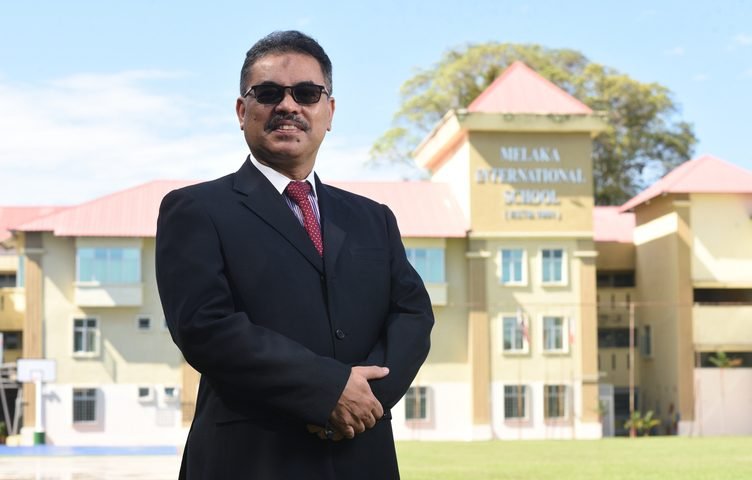
Noor Zaidi Bin Mohd Noor – Revolutionizing Education Industry

Location – 550G, K.B.3, Taman Siantan 75200 Melaka, Taman Siantan, 75200 Melaka, Malaysia

Website – http://www.mis.edu.my/

Contact +60 6-336 8781


1. Kindly brief us in short about you and your journey since the beginning of your career.

I started my career as a teachers at a prominent Boarding Schools in Malaysia in 1991 and has been in the education field ever since. After 6 years at 2 government schools, I ventured as a pioneering staff in setting up a private Sixth Form College, Koley Yayasan UEM – that was modeled after Winchester College, England in 1998. I grew into the educational management position fairly rapidly and had international education exposure, strategic planning as I moved into the tertiary and higher education with Sunway Education Group in 2008.

Sunway Education Group (SEG) was instrumental in shaping my understanding of the transition between the secondary school to tertiary education, up to the highest PhD level. As Government and Corporate Liaison Head for all 7 institutions under SEG, I became very familiar with the government’s policies and procedures governing the Private Higher Educations in Malaysia as well as its aspirations / strategies to make Malaysia an Education Hub in the region.

This experience brought me into another venture to set up a private education institution – KYS Business School (KYSB), Ayer Keroh, Melaka – this time on the foundation of transnational education. KYSB was set up in collaboration with 3 leading NZ Universities – University of Auckland, Victoria University of Wellington and the University of Canterbury, Christ Church in 2013. Some 800 students went through the Chartered Accountancy Pathway Programme by the time I left the College in 2019.

And now I am heading Melaka International School as Principal that could be my last formal employment before retirement.

2. How do you use technology in the classroom?

For various obvious purposes which include:

  1. Communication with students and parents;
  2. planning and designing learning experiences;
  3. as tools for the teaching and learning processes;
  4. up-to-date resources for worldwide research work/project;
  5. assessments – especially formative after the Pandemic

Since technology now is the driving force behind all advancement, it is critical that students are exposed to and trained to develop their skills with the availability of technological tools for life-long learning purposes, hence the ‘how’ of using technology in the classroom is almost unlimited.

3. What has been one of your greatest contributions to the institution you have worked in for their development?

I feel the opportunity for institutions and their students to transfer overseas – in particular to NZ Universities while I was at KYS Business School was one of the highlights of my career. Not only there is a transnational educational collaboration with tremendous benefits for participating universities, but it also exposes students to new educational philosophies and systems, social and economic situations, and cultures of different nations. Earning a degree is one, but more importantly, growing up holistically and optimizing the new ‘world’ invaluable experience helps stretches an individual’s true potential and talent.

4. Please tell us about your organization in brief.

Melaka International School was set up in 1993 with a Vision of Every Student A Success Story – one that deeply touches me. I truly believe in this slogan and we are trying our best to be as inclusive within our capacity and resources to accommodate a vast variety of mixed ability students at MIS. We aspire to educate students so that they could achieve their own individual potential – and NOT necessarily score As’ in all examinations – education truly for growth and personal development that is life-long in nature.

5. How have you dealt with challenges, and what are some ways you have resolved them?

Challenges, more often than not, carries along opportunities. The obvious challenge we have all faced over the last 2 years was confronting the Cov-19 Pandemic. Based on this situation alone some of the ways that have been employed to mitigate the difficulties include the following in brief:

  1. Effective and affective communication with all stakeholders;
  2. being flexible yet practical and sensible in the management strategy;
  3. putting in place SOPs that are manageable and focused in managing challenges;
  4. collaborate more closely, seek advice form main partners such as curriculum provider – Cambridge Assessment International Education (CAIE);
  5. learning from best practices from other schools / institution – alternatives to existing practices;
  6. benchmarking our institution with the standards that we aspire to achieve during the tumultuous time, and
  7. emphasizing transparency and teamwork and in achieving aims and goals.

The above in many ways has brought along changes in the management and organization of the school that would prepare MIS for more of the same in the future.

6. What motivates you?

The success of students, staff and the institution at large. Small successes should spur on more progress as well as highlighting our strength as a strategy to give confidence and motivation to all involved. SUCCESS must be shared and celebrated to create the positive growth mentality and motivational impact in any organization.

7. Being in the industry for a long time, enlighten us with the educational scenario of your country and the ever-changing education sector.       

Technological advancement, strategic educational planning as well as national HR planning all critically affect the landscape of education in Malaysia. While the strategic educational planning takes much consideration the needs of the HR for the future of the nation, educational foundations and philosophy of knowledge acquisition and individual growth MUST remain a priority. Individual must be allowed and provided with the opportunity to thrive in an environment that supports both the STEM as well as the humanities and social sciences domain of knowledge.

Needless to explain, while technology develops so will the gap in the provision of sophisticated delivery of education between the rural and city expand. Political commitment on the provision of the IT infrastructure, training of teachers, building of more modern, self contained schools in the rural areas are but some matters that need desperate addressing.

And of course there is the issue on the standard of education that is available in Malaysia at all levels. I feel, and as we can observe in the more developed nations, the link between the universities and the industry must be improved, enhanced to ensure that researches that are carried out at the academia is directly relevant to the present world and marketable for the benefit of all.

8. Who has most influenced you to become an educator/administrator, and how did they influence you?

My parents and teachers.

To make a difference anywhere, you must first make a difference in the people… the nation is built through honest, sincere teachers /educators who help produce leaders..

9. What are your professional goals for the next 5-10 years?

To continue contribute in the field of education in particular early childhood and primary education. These are the areas that I have not been really exposed to, and had the opportunity to delve in deeply over the years.

10. What message would you like to portray the student across universally?

For all to enjoy the endeavor of seeking knowledge for its own sake and for a true understanding of the world around them. Perhaps also aspire to push the frontier of knowledge for the betterment of themselves, their community and the world at large.

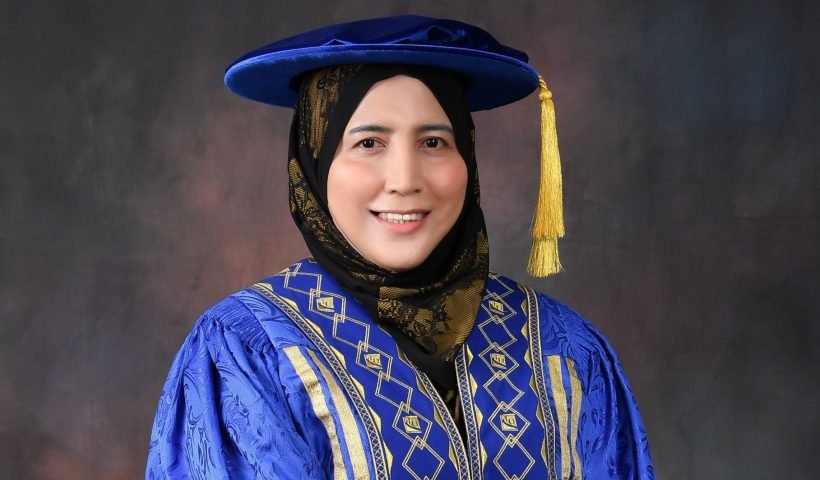
Dato Professor Dr. Noor Inayah Ya’akub – Inculcating Leadership Values and Entrepreneurial Abilities in Students

Location – Block 11, Infrastructure university Kuala Lumpur De Centrum City, Jalan Ikram-Uniten, 43000 Kajang, Selangor, Malaysia

Website http://www.iukl.edu.my/

Contact +60 3-8926 6993


Astonishing leaders have already been produced by conservative educational methods. Nevertheless, improvements in education are considered necessary to strike a balance in securing the best professional options for pupils. A tried-and-true approach to establishing a profession is a good way to advance, but is it still applicable in today’s world where everything changes so quickly?

A leader should always look for great opportunities for improvement in educational methods, technological advancement, and value addition in the students. People should be aware of your existence, expertise in any particular area, and your ability to serve society leader behind the ideology is Dato Professor Dr. Noor Inayah Ya’akub, is the President and Vice-Chancellor of Infrastructure University Kuala Lumpur (IUKL).

About Dato Professor Dr. Noor Inayah Ya’akub

A qualified Advocate & Solicitor High Court of Malaya and Syarie lawyer State of Negeri Sembilan, Dato Prof obtained her Bachelor’s in Law from International Islamic University in 1993 and later obtained he second degree in Shariah law in 1994.

She received her Master’s in Comparative Civil & Banking Law from the University of Bristol in 1997 and her Ph.D. in Comparative Civil & Islamic Banking Law of Guarantee from the Law Faculty at the University of Manchester, England in 2005. She also has more than 20 years of experience in teaching Islamic Law, Syariah and Conventional Banking Law, Takaful and Insurance Law, Equity & Trust Law, and Business Law and Ethics.

Some of her hobbies are watching sports and movies, playing badminton, and bowling.

About Infrastructure University Kuala Lumpur

Infrastructure University Kuala Lumpur is the only infrastructure university in Malaysia providing quality education and excellent professional services to both Malaysian and international students in various areas, such as Engineering, Business, Communication, Language Studies, Architecture, Biotechnology, Information Technology, and many more. We have already been awarded five stars by the Talent Development Bank for being the first choice of employers in their search for graduates.

Our graduates are the first choice of many big conglomerates globally, such as Microsoft, Shell, PETRONAS, and many more. Being an infrastructure university, our international students make up 50% of the overall student strength. Around 60 of our homegrown academic programs are not only accredited by the local accreditation bodies but also by top professional bodies globally. This reflects our students’ ability to not just work in Malaysia but to work globally and makes us the preferred choice of international students all over the world.

The culture that we inculcate at our university is beyond races and religions and nurtures social cohesion and harmony. All of our faculties are well-qualified professionals. Even during the pandemic, we offered a hybrid type of delivery and assessment method of the curriculum. Our students are well-equipped with serving the public as well as the community once they have completed their studies. We recently ranked in the top five universities in applied education and also rank 12th in the list of top universities all over Asia.

One of the leading private universities and the only infrastructure university in Malaysia, Infrastructure University Kuala Lumpur has been providing quality education and professional services in various fields for the last 20 years. A five-star rated university, IUKL has been the first choice for many corporate giants globally and has been offering various globally accredited programs to its students.

Behind the rapid growth and success of the university, lies the diligent effort and pioneering leadership of Dato Professor Dr. Noor Inayah Ya’akub, President & ViceChancellor of IUKL. A qualified advocate and multifaceted leader, Dr. Noor Inayah Ya’akub has always been focused on building innovative curriculum and enhancing the leadership and entrepreneurial skillsets of her students.

Roadmap Drawn for the Future

In terms of my future roadmap, I have set up six goals that are related to each other for my university. The first goal is to produce quality students with innovative and entrepreneurship skillsets through innovative curriculums and various learning programs as I don’t think that a good student without entrepreneurial skills is relevant. The second goal is to ensure that all students understand that they are relevant, are referred to, and are respected. People should be aware of your existence, expertise in any particular area, and your ability to serve society. I am also very particular about sustainable governance, which not only caters to the financial or digital sector but also the IT infrastructure.

I am also very particular about the factor that students and staff must ensure that the research work they are undertaking is really meaningful. I always encourage my staff to go for meaningful research that is meant to serve society and can bring changes to society and lifestyle. These are some of the long-term goals for the university.

Now coming to the short-term goals, I want to ensure that the university is practicing good governance that is transparent and academic oriented. Starting from budgeting and the cost of sales to your expectations from your colleagues to achieve academic outcomes, everything must be transparent. Coming to myself, I want to do beyond the pandemic era where students up to a certain extent are more interested in earning a living and are no longer interested to come to the university and attend offline classes. We must be innovative to provide education where students can learn as well as earn something at the same time.

The Idea of Success

I believe that to become a good leader, you need to produce leaders. I have always inculcated leadership values in all my subordinates. I also like to be more creative and innovative so that we can easily adapt to the current situation and prepare our students to have a better future where they not only possess good academic merits but also are trained to apply their knowledge to solve problems.

So, I always link knowledge and wisdom in all my students and colleagues as for me, academic qualifications are not sufficient, and we must be able to apply our knowledge to make everlasting and sustainable decisions. I have always been clear about what I believe and walk the talk. I always take decisions based on current scenarios as for me, we cannot predict what is going to happen tomorrow. I believe that nothing is impossible and we must go back to our roots and try again in case of a hiccup.

Awards & Recognition

  • Ranked Number 22 in the Top 300 Most Influential Women for Islamic Finance by UK Cambridge Financial Association in 2019 and 2020
  • Awarded the prestigious TokohMaalHijrah Federal Territory for a distinguished scholar category in 2019
  • Best Business Law Professor by the Golden Globe Tigers Award Malaysia 2019

The Most Inspiring Education Leaders of 2022 (Malaysia)

Xiaochao Guo – Getting Students to Achieve Their Dreams

Location – Cool, Room 302, building 1, E, 兴华路 Nanshan, Shenzhen, Guangdong Province, China, 518060

Website – http://www.thatsmandarin.com

Contact +86 755 2683 2393


1. Kindly brief us in short about you and your journey since the beginning of your career.

My name is Xiaochao Guo, and I’m the founder of That’s Mandarin Chinese Language School. I started teaching Chinese nearly 20 years ago to foreign students in Beijing. Back then I realized that most beginners struggled with the same problem: new Chinese words are really, really hard to memorize!

When you start learning Chinese, the new words don’t make any sense at first – they are just a bunch of sounds. It’s not easy to make your brain process them into meaningful words. But you can help your brain by building connections. That’s how I came up with a technique we now use at That’s Mandarin, called Link Words.

For example, there was one student in my class who just couldn’t remember the Chinese numbers from 1 to 6. His name was Leo. So I told him to link number 6 to his name, “六 (liù) – Leo”, and it worked! He used the same trick for other numbers, finding “link words”, and quickly mastered all the numbers.

Another method I always used in class was storytelling techniques. We see the world more vividly through stories; and in class, a good story makes the students forget that they are studying, and learn effortlessly.

It all started when I arrived at one private corporate class early and sat down to read the magazine in the lobby. There was a riddle in it about a  young man in a sports car passing by a bus stop in heavy rain. There were 3 people waiting there: his good friend who once saved his life, an old lady that looked very ill, and a beautiful girl. The man had only 1 free seat. Who should he offer a ride to, and why?

I liked the simplicity of this story and used it in class. The student loved it, and since then the story grew into a whole series — episodes at the hospital, the coffee shop, and so on. Each time my students expanded the riddle and rebuilt the story as they wanted.

These and other methods helped my students learn Chinese quickly and start speaking from day 1. Not to boast, but at one point a whole university group of language exchange students joined my classes.

Then I decided it was time to open a school. In 2005, That’s Mandarin school was founded, and more teachers joined the team.

The Chinese name of the school, 思道睿 (Sīdàoruì), echoes the English word “story”.

2. How do you use technology in the classroom?

Very soon we realized that Chinese writing affects learning speed a lot. When Chinese learners take notes, their focus is not on the teacher and the conversation, but on their notebook and notes. So we thought of a way to ‘relieve’ the students from this cognitive overload during the class, by creating a digital platform where the teacher would take class notes in a digital format, to be easily (and forever!) accessed and reviewed by students.

This was a game-changer. So many students shared that in the past, their classes in brick-and-mortar classrooms were too fast-paced and difficult to follow. The teacher would write the characters on a whiteboard, and the students would be so busy copying them correctly into their notebooks, that the precious class time would be gone, and the student’s focus on conversation and speaking would be completely lost. But Mandarin Café (this was the name of our first platform) took away that unnecessary level of difficulty. We also built the system in a way that students could click on any unfamiliar word and see its translation, which also sped up communication — a sure way to have a sense of progress in class.

This was back in 2010. And in 2020, we upgraded the system to an advanced learning platform, NihaoCafe. Now all our students and teachers use it for online and offline classes.

Apart from digital notes, we also added a rich library of content for all HSK levels. It even features our own, newly produced HSK-graded TV series with famous actors! There are also hundreds of custom articles, videos, audio and comic books, vocabulary and grammar exercises, etc.

We also use time-proven methods such as Link Words and storytelling techniques, to make sure our students can learn Chinese faster and in a more meaningful way, related to their daily lives and study goals.

3. What has been one of your greatest contributions to the institution you have worked in for their development?

No doubt, it was the decision to re-build the online learning platform, NihaoCafe. We updated it just before the pandemic, and this way all our students could easily switch to online classes and continue learning all over the world. Until now, language students still cannot come to China to study, but we have so many online learners who connect with our teachers online and say that their dream is to come to China one day and learn at our physical schools.

The story of NihaoCafe was featured in ChinaDaily:
https://www.chinadaily.com.cn/a/202207/15/WS62d0fc14a310fd2b29e6c928_2.html

4. Please tell us about your organization in brief.

As a premier Chinese Language School, we’ve been delivering excellence in Chinese teaching since 2005 to more than 50,000 students of different nationalities.

We provide Chinese classes in Shanghai, Beijing, Suzhou, Hangzhou, and Milan, as well as anywhere in the world via NihaoCafe.

The school motto is:

“打破一切常规、交流至上”

Dǎpò yīqiè chángguī, jiāoliú zhì shàng

“Break all conventions and just communicate”

As already mentioned, in 2010, That’s Mandarin became the first Chinese language school to combine advanced teaching methods online and offline. Later, we also expanded our Chinese Link Words technique into a book for Chinese beginners. The book helps students remember new words better and faster than traditional learning methods.

5. How have you dealt with challenges, and what are some ways you have resolved them?

Here’s a quote from Abigale Wan, That’s Mandarin Managing Director:

“When Covid-19 started, we quickly shifted most of our classes to online – even for students who were in China but couldn’t come to the school. To give you a rough idea, we used to have around 70% of students taking offline classes, and 30% online. Now, only 30 per cent of our students take classes offline, and the rest have switched to online programs.”

In a way, this crisis gave a boost to our online courses, and made our students understand that we live in a new digital era where online format can offer a quite satisfactory experience. Of course, being in China in person and practicing Chinese day by day is wonderful, if a student can come to China and study here — but online learning has proven to be an effective alternative for the students who don’t have that chance.

Abigale also says, “Many Chinese language schools didn’t survive, and with borders closed, more are likely to close down soon. The only reason our school was able to survive is NihaoCafe — a learning space developed specifically for Chinese language learners.”

https://studytravel.network/magazine/issues/817/articles/28806

After the pandemic, a few of our former competitors joined That’s Mandarin.

6.  What motivates you?

I think my biggest motivation is seeing how students from all over the world, all walks of life, succeed in learning Chinese and improve day by day. Also, our cultural events are a great motivation — it’s always amazing to meet with learners who show interest in the Chinese culture, even absolute beginners. Sharing culture is a way to connect beyond the language.

7. Being in the industry for a long time, enlighten us with the educational scenario of your country and the ever-changing education sector.

We believe that interest in the Chinese language is going to strengthen in the future. Especially when the borders open up!

At the same time, big changes are coming in the HSK (Chinese Proficiency Exam) system, and we’re getting ready for this as well, both with NihaoCafe and with our paperback textbooks. The exams are going to get harder in the beginning, but easier at higher levels — so the learning process is going to become more balanced.

8. Who has most influenced you to become an educator/administrator, and how did they influence you?

Most certainly the students! Students are the best critics. They’ve helped us shape our teaching style and methods. As they say, when the teacher’s pace is too fast, he/she’ll be the only person to catch up. So knowing how hard it is to learn Chinese, we’ve tried to look at the process through the students’ eyes, and make it as comfortable and ‘making sense’ as possible.

9. What are your professional goals for the next 5-10 years?

Now that NihaoCafe is up and running, we keep updating and improving it.

At the same time, in the past year we’ve been working on a completely new project —a platform for young Chinese learners, NihaoKids. We see big potential in it.

This platform is quite different from NihaoCafe, and designed specifically for young learners, so they can learn Chinese in bite-sized, game-like lessons.

We’re also dreaming of opening more campuses around the world. Ideally, a campus in every big city! (Haha.) At the moment, the biggest language course provider in China are university language courses. They are good, but the class size can sometimes reach 20-30 people. So we’d like to give the learners an option: if they want to learn the ‘traditional’ way, they can choose a university course, and if they need to learn Chinese fast with focus on communication —  they can come to us.

10. What message would you like to portray the student across universally?

“Every language contains a unique worldview.”

Language doesn’t just provide you with tools to communicate, but also with an insight into how people see the world.

If you a foreigner living in China, Chinese language won’t only help you get things done — in many ways, it can help you understand how people think, what drives their actions, and to bring you closer to the people around you. Our biggest dream is to help learners all around the world build these connections with China and Chinese people.

Emily H. Chan – Encouraging Students Towards Stronger Future

Contact sandel.edith@yahoo.com


About Emily

I grew up in Hong Kong. I graduated as a Ford Scholar and Terman Scholar from Stanford University with a BS degree in Industrial Engineering. Then I went to Harvard for an MBA. I was a management consultant for about ten years before my son was born. I became a stay-home mom. To keep my mind busy when my son was an infant, I wrote a book about business basics, which was subsequently published by Wiley and Sons in five languages.

Dawn of her Career

As my son grew, I became fascinated by education, which is supposed to be the new “rocket science.” I wanted a multi-language, progressive school for my son, but I couldn’t find one in Hong Kong. Eventually, I met three other moms who had the same frustrations. We decided to open our own school. So, that’s how I got into education. We founded Dalton School in Hong Kong, which now includes a boutique kindergarten and a charitable elementary school in collaboration with Tsinghua University Primary School. The same philosophy guides Dalton School Hong Kong as The Dalton School in New York, and we were very grateful that their administration came to Hong Kong for our opening to show support. We are in the middle of planning our expansion into a small charitable secondary school. It was a real learning experience starting a school from scratch and playing a role in everything from curriculum to bathroom fixtures decisions.

We relocated for my husband’s business ten years ago, but I remained involved with Dalton School Hong Kong at the board level. My son attended the International School of Beijing (ISB), and I was elected as a Trustee on the Board at ISB. It was a new experience as, unlike Dalton Hong Kong, ISB is a very established school.

Our family relocated to Shanghai a few years later. So, my son transferred to Shanghai American School (SAS), and I was elected as a Trustee on the SAS Board. SAS is another new experience; it is much bigger than ISB and has two campuses. SAS is also the oldest international school in China. We celebrated our 110th year this year. In the past few years, I have chaired the Human Resources Committee, Trusteeship Committee, and Head of School Search and Transition Committee. I have been serving as Board Chair since last year. I have been growing and learning a lot in school governance.

Contribution of Technology in Education

International school boards focus on strategy. So, in the last few years, a vital part of the strategy (and reality) for schools in China is the technology to support distance learning. For me, technology is not just computer hardware and software but also human resources like how to support teachers who are not used to online teaching, curriculum planning to engage students online, and screen-time balancing, especially for the younger kids. It took much effort by the school administration, faculty, and staff, but SAS can now switch from in-person to distance learning at more or less a moment’s notice.

Teaching Technology in K-12 Schools

I think technology is changing so fast that K-12 teachers, or anyone, can’t be well-versed in all key aspects. So, I feel we must tap into expert resources beyond our immediate community. Some leading universities are doing great work helping the K-12 sector. For example, my son attended a fantastic interactive online course called Stanford e-China, offered by SPICE at Stanford. During the course, he interacted with Silicon Valley entrepreneurs and Stanford professors on technologies changing the world, like green technology, e-currencies, and more. I think this kind of program from tertiary institutions supporting K-12 is critical to getting our students ready for the 21st century. I heard Fudan University Finance School is also launching a course along these lines.

I also think that while technology will no doubt continue to play a key role in the 21st century, we must remember to educate a “whole child,” which means we cannot forget humanities and the arts. K-12 schools can also tap into professionals for support. For example, the world-famous artist Fernando Botero (his works are displayed next to Picasso’s) has an office that welcomes opportunities to speak to students for free on art and art history, sometimes including hands-on studio experience for even little children. These are resources that many schools are not tapping into.

Instead of telling our children to learn, I also believe that parents should model lifelong learning and community engagement for their children through their actions. I have much respect for parents active in the Parents Teachers Students Association, as they are setting a great example for the children. For me, besides serving on school boards, I also serve as a fund-raising advisor for the Hong Kong Hereditary Breast Cancer Registry. The Registry was founded by one of my best friends and a most amazing surgeon Dr. Ava Kwong. One focus of the registry is public education and awareness to improve the knowledge of hereditary cancers in the general public. I enjoy getting educated and helping others get educated on critical issues.

Visionary Leader

I seek to contribute by making decisions genuinely guided by the institution’s mission. For example, one of SAS’s missions is life-long learning. So, whenever we have key decisions to make, we will ask ourselves, “how does this align with life-long learning? Are we learning? What can we learn from the best practices of others?”

Hitches Faced Along the Journey

I think supporting the needs of the different stakeholders in the ever-changing and utterly unpredictable COVID context in the past few years has been a real challenge for many schools. It is a challenge in Shanghai and Hong Kong even now. These are difficult situations for everyone, and the only way to a reasonable compromise is empathy, trust, and unity, which requires factual, continuous, transparent, and timely communications and a constant reminder that, as a school, community safety and student learning must come first.

Motivation for the Motivator

I am a natural workaholic. So, I will spend every minute of my time working whenever there is a responsibility to fulfill, service to complete, or promise to keep. But what makes me happy is to see progress, especially progress made to challenging problems, and to work in partnership with my peers and team. What demotivates or infuriates me is hypocrisy, politics, and lack of professionalism.

Current Educational Scenario of China

In China, for many international schools, changing demographics is one of the biggest challenges and opportunities. With many companies reducing the ex-pats they send to China, either because they are replacing ex-pats with locals or downsizing their China business, international schools are beginning to have many more local Chinese families who may not be familiar with international school philosophies, visions, and missions. This causes conflicts. For example, some families may want more Chinese classes or more homework than what an international education seeks to offer. But this is also an opportunity to integrate the host country’s language and culture more into the school, which is conducive to global citizenship and international understanding, breaking what was sometimes described as the “international school bubble.”

Her Torchbearer

I would say Sir Ken Robinson and my family influenced me the most. Sir Ken Robinson’s TED talks are among the most popular TED talks of all time, and his books are bestsellers. I stumbled upon these videos when my son was about three, and they got me thinking about the education system I have taken for granted. His talks and books shed light on the problems of our current education system and a vision of how it can be improved, all with a sense of British humor. For example, the current system of putting students into grades by age is based on the assembly line batching system during the industrial age. His talks made a significant impact on me. They inspired me to found Dalton in Hong Kong.

My family is the other significant influence. I had no interest in education before my son was born. I was more into a career in strategy and consulting. But the mother’s instinct to provide the best for one’s child, observation of how the world has changed since my time in school, and the lack of logic in elements of the traditional education system that I went through made me deeply interested in how education should work for my son and many like him. I am grateful that my husband has been very supportive.

Life Lesson for All

I like the SAS’ mission statement a lot: have the courage to live your dreams, pursue life-long learning, and be guided by integrity and empathy. Time flies. So, make use of it well.

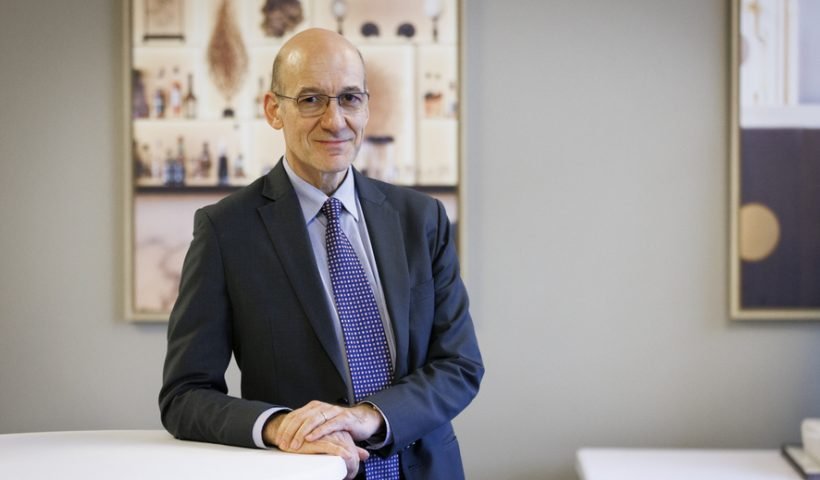
Michel Philippart – Optimistic Vision Towards Future

Location – Rte de Glion 111, 1823 Montreux, Switzerland

Website http://www.glion.edu/

Contact +41 79 266 26 21


Early Days

My journey started almost 40 years ago, as a young engineer, then a consultant and a manager. I began teaching 20 years ago, sharing my experience in purchasing, supply chain, and operations, and more recently in digital transformation technologies, at HEC Paris, Kedge, EM Lyon, Grenoble School of Management, and finally, program director at EDHEC. I hold a DBA from Paris Dauphine (2016), an MBA from Kellogg Graduate School of Management (1989) as well as a metallurgical engineering degree from the University of Liège (1983).

I have also co-authored two books on Strategic Supplier Management and Value Creation: Collaborative Sourcing (Presses Universitaires de Louvain 2005) and Les Achats Collaboratifs (De Boeck 2012), and written multiple articles for academic and professional publications. It is this three-pronged expertise in the industry, consulting, and education that convinced Glion to ask me to become the Director of the GIHE Switzerland and UK campuses, to lead academic, operational, and student experience initiatives.

Revolutionary Contribution

I have become a thought leader in B2B collaborative relations and Purchasing Leadership for sustainable competitive advantages. I worked for the operations practices of Booz Allen (Chicago, Paris) and McKinsey (Brussels, Geneva), helping large clients transform their approach to the supply chain. At PepsiCo’s Frito-Lay (Dallas, London, Bern) I developed and implemented an international purchasing strategy focusing on securing privileged access to key supplier resources, and enhancing competitive advantages. During my last corporate position, as head of global purchasing with GSK Biologicals (Brussels), I transformed purchasing from a tactical and administrative function to powerful support of strategic initiatives.

Over the last five years, as a Professor at EDHEC, I applied the concepts of Purchasing Leadership to digital transformation. Alongside my responsibilities as Director of the Master in Strategy Consulting and Digital Transformation, I explored the business challenges presented by the digital transformation of Operations to capture sustainable competitive advantages, looking at transformative technologies like artificial intelligence, the blockchain, the internet of things, and virtual reality. 

Learning with Technology

Online education is fundamental in overcoming spatial, temporal, and personal barriers to deliver to very diverse audiences. In an ever-changing world, led by digitalization, sustainability, and innovation, we develop a digitized curriculum of the Swiss model of hospitality education backed by modern classrooms and unique learning environment facilities. Facilities are operated by students under the supervision of professionals, each best in their domain of expertise, and provide a real-life experience with real customers. The latest virtual experience technologies offer a hybrid approach to combine traditional classroom experiences and observational learning with virtual classrooms.

We are also a partner of the UNWTO online Academy whose strongest priority is to digitize education, to become more accessible and useful for everyone. This high-quality learning experience is available for everyone at an affordable price and caters to those who are looking to improve or supplement their current skill set in order to adapt to this fast-growing and evolving sector.

To adhere to the fast-evolving world of the hospitality industry, we tailored a portfolio of Executive programs such as the new Executive Master’s in Luxury Management & Guest Experience by Glion as well as a free online course ‘The Luxury Sector: Customers and Premium Experiences.

About Glion

We were founded as a hotel school 60 years ago this year. Since its foundation, Glion has been a byword for excellence in hospitality business education. The institute follows a curriculum of the Swiss model of hospitality education, combining practical instruction in the kitchen, service, and room operations with theoretical and general management courses. Glion Institute of Higher Education provides a unique learning environment to a diverse student body, with modern classrooms and learning facilities, gastronomic restaurants, and furnished accommodation available on every campus.

And while we have maintained our strong commitment to the hospitality industry throughout this time, in recent years we have also developed a specific focus on the luxury sector. In response, Glion was the first hospitality business school to create a Luxury Brand Management specialization for Bachelor students and more recently a Master of Science in Luxury Management and Guest Experience. By doing this, we aim to prepare students for roles not just in luxury hotels but also in luxury goods, private banking, real estate, retail, and all other bespoke services aimed at high-net-worth individuals expecting excellence in guest experience.

Solution to the Problem

Challenges are best overcome by cooperation. This is what I developed in collaborative purchasing, addressing the challenges of competition by combining the strengths of clients and suppliers within an extended enterprise pooling resources to grow, and besting more rigid competitors that kept a short-term focus. Likewise, when organizations face challenges, they must unite their resources to increase their capacity to deliver. First, listen for a grounded diagnostic, then develop a solution as a team, convince the organization of its validity, and finally implement overcoming natural resistance to change. Those abilities must be encouraged by the culture of the organization, a “Savoir Etre” at the heart of the Glion experience.

Source of Motivation

Students at the world’s best hospitality schools have high expectations. And rightly so. They hold ambitions to be leaders, entrepreneurs, and change agents, and they expect those same schools to help deliver that future. My responsibility as an education leader to ensure we equip our students with the expertise and ability to elevate them above the competition and enable them to achieve these lofty goals is what motivates me. In the case of Glion, an enduring commitment to teaching excellence in hospitality and luxury business, that combine to necessitate an unrivaled learning experience, one that prepares students to excel in the most demanding roles, right from graduation day is what gets me going.

Rather than who, it is what: the disconnect between what academic research was proposing, and the everyday practices in enterprises. I wanted to help those universes get closer.

Education Today

The education sector today is progressively focusing on the student experience because the one-size-fits-all paradigm is no longer regarded as the best method to study. With the next generation of global citizens having great aspirations for autonomy, adaptability, and globalization in the education system, it is critical for institutions to deliver tailored learning, which can only be imagined by combining technology-enhanced education with traditional “hands-on” collaborative learning grounded in practical cases.

Message for Future Leaders

My message is to look toward the future with optimism. But also, to open your eyes to the changes that will if anything, accelerate as travel, tourism, and hospitality bounce back from the pandemic. If you can stay one step ahead of these changes – be they technological, behavioral, or just fashionable, you will prosper in your career or in your entrepreneurial ambitions. The core skills of hospitality – particularly soft skills – are highly transferable. The age of the linear career is largely over, and the key to successfully negotiating a non-linear career is to acquire the breadth of knowledge that will enable you to pivot more easily to a different path when the time comes. One of the keys to achieving this is through a commitment to lifelong learning as a means of self-development.

Developing a leader’s mindset, confidence and outlook is an invaluable asset to draw on in both covering letters and interviews when applying for dream jobs. I believe that a good manager needs to experiment in practice, with all the professions of hospitality to get a full understanding of how hospitality organizations work. The hospitality industry today is a territory of opportunity and among the most dynamic in the world. Education is the key to transforming this sector to capture the opportunities of a world facing profound mutations.

Future Plan of Action

In the coming years, I aim to leverage my extensive professional experience in the academic, consulting, and business world to further position Glion at the forefront of Hospitality digitalization and innovation overseeing around 1,600 students and a team of 250 employees and fulfilling my responsibility of leading the GIHE Switzerland and UK campuses, driving and delivering further innovative strategies related to academics, operations, and student experience. 

Kamila Ghazali – Developing Global Graduates and a University Fit for the Future

Location – City Campus, Block A, Ground Floor, Administration Wing, Jalan Tun Ismail, 50480 Kuala Lumpur, Federal Territory of Kuala Lumpur

Website – https://www.iumw.edu.my

Contact +6012-344 9661


Educational leaders are pivotal in affecting their institutions’ climate, attitude, and reputation. Under successful leadership, universities become places where students are not only educated but challenged, nurtured, and encouraged.

Kamila Ghazali has spent most of her career in education and is currently the Vice-Chancellor of the International University of Malaya-Wales (IUMW), Malaysia. With a wealth of experience in academia and leadership, she has set out a clear vision for the University and strives to provide students with a holistic educational experience, nurturing leaders of the future.

Career at a Glance

I have worked in education for most of my career; it has always been my passion. I spent most of those years building my career at Universiti Malaya (UM), Malaysia’s oldest and number-one university. I spent over 20 years in senior positions at UM, at national and international levels, including roles as the Director of International & Corporate Relations, Deputy Dean of the Institute of Graduate Studies, and three years as Deputy Vice-Chancellor (Academic and International). Then in January 2022, I took up the Vice-Chancellor role at the International University of Malaya Wales (IUMW).

I was part of the Faculty of Languages and Linguistics at UM, and my areas of expertise and interests lie in critical discourse analysis and sociolinguistics.

Creating a Technology-Enabled University

Technology has become integral to academic life, and IUMW has invested in new solutions to ensure that technology helps give students the best learning experience. This year, we formed the University’s first EdTech Centre. The Centre oversees all technological education advancements to ensure our success in implementing educational technology initiatives.

To complement video lectures and engage students in the virtual classroom, IUMW has adopted technologies that enable more interactivity such as interactive blog learning, engaging online activities, and even a virtual lab for our science subjects.

We are integrating smart classrooms into our campus, which are technology-enhanced classrooms that foster unique teaching and learning opportunities by integrating technology with specialized software and audio/visual capabilities.

We are also currently investing to scale up our online program offerings including Open and Distance Learning degrees and micro-credentials. The education landscape is shifting and we have to move with it, so we are designing courses that will better meet the needs of non-traditional learners.

A Global Outlook

One thing we have looked at this year at IUMW is how we can continue to grow our international strategy. We already offer transnational education in collaboration with our UK partner, the University of Wales Trinity Saint David, and have a significant international student population. In just the last few months we have brought IUMW to an even wider global platform, forming collaborative partnerships with institutions in both Indonesia and Japan.

We want to produce graduates and faculty who are confident and sensitive when working in any cultural setting and who understand different perspectives beyond that of their home culture. Bringing high-quality international partnerships into our strategy helps to create that mix. We’re always looking for new academic, research, and industry partners who share our ambition to develop global graduates, global leaders, global citizens, and global researchers.

A University Set in Malaysia’s Thriving Capital

IUMW comes from a long and rich history; owned by Universiti Malaya and the University of Wales, the two oldest universities in their respective countries. It was established in 2013 and since then has experienced tremendous growth; now a community of almost 2000 students from across the globe. We’re located right in the heart of the Malaysian capital, Kuala Lumpur, famed for its melting pot of cultures and many tourist attractions including the world-famous Petronas Twin Towers.

Students come to IUMW because the programs we provide are unique. We offer UK degrees in collaboration with UWTSD, and students can also study at their UK campus – so they truly get the best of both worlds. They benefit from meaningful global learning opportunities that will help them when they begin their career. An international perspective is important in today’s global workforce, and that is something we believe we offer here at IUMW.

Professor Kamila, speaking during a Memorandum of Understanding signing event at IUMW

Leadership Challenges

The lack of clear communication in any organization can be detrimental to the efficient running of its operations, and that can affect productivity and desired outcomes. Communication is key in risk management; all stakeholders must be kept up to date on relevant aspects of the organization as well as challenges that may arise. When communication is clear, there is a level of transparency and trust among staff, and a sense of inclusivity is built.

Challenges, as they arise, are best dealt with together as a team. I firmly believe that a leader is only as strong as the team she builds. When kept up to speed with clear communication, a team will have little or no hesitation in pulling together to solve challenges together. 

Source of Motivation

Students motivate me. We have a responsibility to mold these young minds into responsible, knowledgeable, respectful adults who care about the community and the environment. They put enormous trust in us to help them with their professional and personal development. The experience they gain, both in and out of the classroom while at university, at the most vulnerable age of their lives, will in large part shape the person they will become, making their years at university arguably the most important period of their lives. So, as much as possible, the university has to evolve and develop programs that lend themselves to producing graduates who will be useful citizens of the world.

Education is a field where you can help young people directly and in a personal way; potentially changing their lives for the better. Teaching is more than just a job. I make it about them and not me, and that’s really motivating.

Current Climate in Malaysia’s Education Sector

The last 2 years were perhaps some of the most challenging for educators and students in not just our nation’s history, but right across the globe. The pandemic exposed the vulnerabilities of an education system that was not equipped for remote learning. As difficult as it was, the pandemic served as a catalyst for innovation in our sector, which might have otherwise taken years or even decades to take place, to the extent that it has. It has given teachers and academic institutions opportunities to innovate and improve their teaching methods. Many institutions have built on existing teaching and communication skills and developed new technical skills to integrate digital tools into their student engagement methods.

It is up to us to use this momentum to build a more resilient digital infrastructure for our education system, so we can generate even greater potential in this era.

Journey into Education

My mother was my motivation for a career in education. She lived in an era when it was not common for girls to go to school beyond a certain level. She was top of her class when she had the opportunity to go to school. Her ambition was to be an educator. In part, I feel like I was able to fulfill that ambition for her.

Looking Towards the Future

We have grand ambitions at IUMW. Over the last 10 years, we have seen incredible growth, and we plan to keep building on that. We see the value of higher education as great today as it was when our parent universities were founded, over 100 years ago, so we want to see our university grow and develop within the niche that we have already built for ourselves.

We are looking to become an even more collaborative and impactful university; doing more than ever to produce the workforce, research, partnerships, and innovation needed to impact society for the better. Some of our priorities include academic quality; student success; and strategic growth.

Advice for Students

My message to students would be to use university as a platform to grow and expand their thinking skills, far beyond academics. They must take advantage of positive social interactions and develop friendships for life. University opens doors like no other time in your life. It’s a freeing journey, a time to experiment, discover what you love and decide who you want to become. We are all responsible for our development, so use the special years in university wisely. Also, remember that succeeding at university does not mean never making mistakes. We all make mistakes. That’s how we learn and grow. It’s learning from your mistakes that get you closer to your goals. Only you can write your story, so take charge and write a good one!

Gregg Maloberti – Encouraging Students to Follow their Aspirations.

Location – Jalan Forest City – Lebuhraya Tanjung Pelepas, 8, Jalan Pulau 1, 81550 Gelang Patah, Johor, Malaysia

Website – https://ssm-fc.org

Contact +60 19-590 3128


“To be inspired is great, but to inspire is an honor.”

Education provides wings to one’s imagination, nurtures them, and builds them into refined individuals and seasoned professionals. Many dedicated educational leaders have devoted themselves into providing excellent educational facilities to students so that they can learn and grow effectively.

Several leaders have made a mark in the education sector. They have played the role of a beacon of hope and enlightenment to many. They have uplifted the education sector with their dedicated efforts and have always focused on the overall development of the learners.

An influential leader of the Malaysia’s education sector is Gregg Maloberti, the COO of Space Foundation. He brings a broad perspective and deep vision of the global space ecosystem. He is an ardent advocate of innovation, leadership and motivation.

Past in a Glance

Dr. Gregg Maloberti has over 25 years of leadership experience in independent schools. Having served as Head of School of the Canadian International School of Hong Kong and as Interim Head of School and Director of Institutional Advancement at Ross School in New York, he began his academic career as an English teacher and quickly transitioned to admission and enrollment management.

Dr. Maloberti has served as the Dean of Admission at several of America’s oldest and finest schools including Lawrenceville School in New Jersey for 15 years, Brooks School in Massachusetts, and Cranbrook-Kingswood in Michigan. He currently serves as the Head of School at SSM-FC.

Use of Technology In classroom

Technology not only gives students access to information, but also it allows them to compose and record their work as well as to share their work with teachers and other students.  Technology facilitates collaboration in the classroom in ways that were never possible prior to the advent of the LCD projector and Wi-Fi networks.

Contribution to the Organization

My greatest contribution to SSM-FC has been to encourage students and teachers to pursue their passions and follow their dreams.  My primary role in the school is to ensure that there are resources available to support the learning, growth, and development of both students and teachers.  By believing in the potential of our students and teachers and supporting their goals, the school has achieved great success in its short history.

About SSM-FC

Shattuck  St-Mary’s Forest City International School in Malaysia (SSM-FC) offers an American Education to students right here in Southeast Asia.  Strategically located in Southern Malaysia, just minutes away from Singapore, the school creates an environment where children can thrive. This purpose-built campus includes learning spaces and resources that support the latest innovations in teaching and learning.  Like every building in Forest City, SSM-FC is adorned with vertical blooming gardens that create shade, cooling, and beauty.  Also, the green campus is adorned with multiple ground-level and rooftop gardens.

The one-size-fits-all education system that relies on rote learning and standardized tests has lost relevance in the information age. As we head into the Fourth Industrial Revolution, where mass-scale automation makes the learning of hard skills alone obsolete, it’s more important than ever for children to understand how to learn.

It’s been hard for many schools to keep pace with the breadth and speed of change. But SSM-FC has an edge. With over 160-years of academic rigor and innovation, informed by its parent school in Minnesota, as well as a holistic teaching philosophy, educators at SSM-FC are well-versed in 21st century skills and learning goals.

SSM-FC is an international boarding and day school serving students from age 3 to grade 12 with an American Curriculum that offers AP Courses.  There are students from 13 countries, the majority of the teachers are experienced international teachers holding foreign passports.  The school offers a rich curriculum that includes art, music, and the study of foreign languages as well as a selection of AP Courses.

Challenges Faced by Education Leaders

In the past few years, the pandemic has been the greatest challenge facing the school.  While many schools just put a camera in front of the teacher and expected the students to stare at their laptops all day, SSM-FC worked hard to find a way to support our student-centered teaching pedagogy.  Our teachers were not just creating an online version of a teacher lecturing to students, we needed to find ways to hold discussion, process information in small groups, collaborate, and exchange information.  Our daily class schedule evolved into a completely new format that better supports student learning.  Now that our students are back in the classroom, many of the innovations that developed during the pandemic continue to find a place even with in person learning.

Source of Motivation

I am motivated by setting and achieving goals and helping others to do the same. Nothing motivates me more than seeing students and teachers planning and achieving their goals.  It’s most gratifying to me to encourage students and teachers to try new things, take risks, and innovate to support teaching and learning as a life-long pursuit.

Local Education Scenario

Malaysia has a strong and well-funded educational system, but SSM-FC provides an interesting alternative to Malaysia’s teacher-centered and content driven curriculum.  SSM-FC shifts the focus of teaching and learning away from the teacher serving as the sole source of knowledge.  At SSM-FC teachers don’t lecture students about what is on the next test.  Instead, teachers at SSM-FC guide and support their students to discover the world around them and construct meaning from observation, experimentation, and analysis.  Our teachers are leading our students on a learning journey that includes helping them to develop and build skills that are essential to academic success.  Our students learn to read, write, and speak about projects, topics, and ideas that matter to them.  We encourage our students to act with integrity and to contribute to the community by investigating issues and ideas that are relevant to our local community.  Many of our students are investigating things like sustainable energy, digital communications, and mangrove preservation to name few.  These kinds of interests and passions define the learning experience for our students and help them to develop an informed plan about what they wish to study at university.

Driving Force

I’ve been a curious person all my life, so learning is something I learned to enjoy from a very young age.  I was blessed to be taught by many great teachers in my school days and at university.  While too many of my former teachers stand out in my memory to name here, it’s their enthusiasm for teaching and learning and their willingness to encourage me to learn that makes them unforgettable.   I want others to feel the same sense of accomplishment I feel when I discover something new, research a topic in depth, or master a new skill.  I felt that sense of from all the teachers I remember as great teachers, and I want my students to be motivated by teachers who believe in them, and I want them to experience the joy of learning new things.

A Step towards the Future

In the next 5-10 years, I would like to actively mentor some younger colleagues to help them achieve their professional goals.

Final Words of Wisdom

Let your teachers help you to build a foundation of skills and guide you to find your passions. Trust your instincts, ask for help when you need it, and don’t give up until your dreams come true.