

Articles
The Most Prestigious Schools in Qatar 2025
Italy’s Most Inspiring Education Leaders 2025
The Most Prestigious Schools in Spain 2025

Dr Paul Walton – Producing an Outstanding International School
Location: Malaysia
Website: https://www.paultwalton.com/about
“High Expectations lead to Outstanding Outcomes”
Visiting and working in many schools throughout the world provides leaders with opportunities to experience various cultures, curriculum and a cornucopia of teaching methodologies. Throughout these communities many adhere to international benchmarks, some work towards world class status and all will follow the frameworks provided by the national institutions. Within these parameters, it is always interesting to see how school communities can plan to create best possible learning outcomes and provide the highest level of education to all.
There are many variables to consider when joining a school, visiting or forming a judgement of a school to help improve an institution further. A range of frameworks, tools and advice is available to select from by a leadership team at a school.
An experienced International School Leader, Dr Paul Walton brings his views on producing an outstanding school. He is a strong believer in building trust, fostering a culture of collaboration throughout a school and lifelong learning.
Experience
With over 20 years of experience in education both in the UK and internationally, he has been a Principal of international schools in various countries and led schools to ‘Outstanding’ inspection ratings. He has worked in Hungary, Malaysia, United States, Slovenia and Bahrain enjoying a rich variety of cultural differences, experiences and adventures.
He started his career in the UK as a computer science teacher, quickly moved into leadership and led schools on Teaching and Learning, Technology for Learning and Professional Development and becoming an International School Principal.
As a Principal and School Inspector, he has continued to visit, support and learn from outstanding schools around the world, developing strategies for best practice to develop the highest possible quality of education throughout many British International Schools.
Starting points
“Moving from a current state to a desired state”
The quote above is a common viewpoint and critical to implement successful change. I share the work of Lewin (1947) with teams at the beginning of a change management process. It refers to the process of actively transitioning from where something is currently at (the present state) to a specific, planned future condition that you want to achieve (the desired state), often involving strategies to bridge the gap between the two points.
The school may have a very clear idea or ‘where’ they would like to be, or a desired outcome. The steps below will share ideas on where to start and how to get there.
The first step is to evaluate and this helps to form a picture of where the school currently operates at. The next stage uses the data, research and evidence to not only arrive at a clear current state but to also identify the potential gaps. A change management plan can be created and then reviewed at regular intervals to measure the progress to reach the desired state.
A very simple yet effective four stage plan.
- Evaluate
- Current State and Identify the Gap
- Implement a Change Management procedure
- Apply, Adapt and Review to arrive at Desired State
By the end of this article, you will be equipped with the tools to complete the first two steps above and have recommendations and research-based models to explore and navigate the next two.
Evaluate
I would personally recommend six points to address in the ‘Evaluate’ stage to create opportunities for everyone to work together to help build a positive school environment for staff in an outstanding school. At the start of this process I would introduce the ‘Norms of Collaboration’ by Garmston and Wellman (1999), this provides a toolkit for all staff to follow and they feel that their input is valued, appreciated and potentially alleviates any unease.
The points below are some that I have implemented in British International Schools to help collect the data, arrive at the current state and complete the evaluation. These are:
- Quality of Education
- Finance and Growth
- Facilities
- Student Outcomes
- Quality Assurance
- Community
- Quality of Education
This section refers to the published inspected reports or the accreditation reports and suggested recommendations to improve. This can be used as a critical aspect of a SWOT analysis regarding the school especially with the quality of education provided. Some schools may have a national, an international or a third reference point with inspections and mandatory visits from the ministry or other affiliated organisations. All of these should be gathered and included.
The 3-5 year strategic plan should be collected at this point along with the annual improvement plans that feed into the strategic plan. This also creates a clarity around where the school has identified itself to be and where it is heading in the short, medium and long term. This is normally a published document referring to the Vision, Mission and Values of the school.
External data such as examination outcomes throughout various sections of the school and a detailed breakdown of the success of the individuals and groups of students showing progress and attainment is welcomed. The report could show gaps, trends and flight paths for over and underachieving groups of students. This feeds into understanding the headline figures at the end of the school journey in which the students leave and may also factor in external examinations, comparisons nationally/internationally, university applications and so forth.
A large proportion of the data in this section should be available via the website as this type of information is normally published to celebrate the academic successes of the students.
- Finance and Growth
As a Leader joining a school, it is imperative to understand the budgeting procedures, the financial state and operations of the school. Often overlooked by some ‘Head’ or ‘Principal’ positions as it includes a greater emphasis on teaching and learning, academic, curriculum, etc.
My belief is the opposite as having a successfully thriving school or a sensible financial approach can open doors to further improve other aspects of the school. For example, if there is a carefully crafted finance plan for 3-5 years, zero based budgeting and a focus on maximising expenditure on items that positively impact the learning then this will improve and increase your effectiveness in the other areas of this evaluation.
A higher revenue could help update facilities, improve professional development, recruit or retain the best staff and have a direct correlation with the student outcomes and quality of education. Areas to consider are fee collection, facility rental, external vendors for extra curricular activities, increase fees, student enrolment and planning ahead for operating and capex expenditure.
The bottom line is often, if this aspect is successful you can then invest in all other areas of the school to improve to reach that desired state. A financial summary and projection for the next three years should be included.
- Facilities
State-of-the-art school facilities can be a huge positive to a school. Not only does this create exceptional learning experiences for students, it can also positively contribute to other areas of this evaluation. For example, having excellent facilities can improve the quality of education, bring in more money financially, increase the opportunities for quality assurance and partnerships and finally have an impressive platform to invite in members of the community.
Although the building is mere bricks and mortar and is by no means the most important aspect to consider, it can have a very positive impact on improving a school. Without the premium facilities available, at some point the school will have to focus on the finance and growth aspect to further invest in the facilities.
Build schematics, timetabling of rooms, maintenance, campus contracts, potential rental/growth opportunities can be explored.
- Student Outcomes
There are many successful schools that do not have the financial support, nor the facilities or indeed the accreditations or partnerships but they still provide incredible student experiences and outcomes such as examination results, progress results and value added. Furthermore, these students can excel academically and secure places at their first choice universities.
These types of schools should be recognised, celebrated and valued.
The backbone of such schools normally include a group of dedicated, passionate and incredibly committed professional staff along with caring and supportive parents in the community.
It is my opinion that student outcomes can be attained in a comfortable way when the staff, students and parents have the appropriate facilities to provide this. For example, an outstanding school should aim to have appropriate classroom space, library/revision areas, a main hall to gather, a performance space, outdoor sports facilities, art areas, science labs, playground, music practice rooms, learning support classrooms, language facilities, counselling spaces, collaboration areas and more.
These listed fit in with having an holistic approach to education and will provide students with the physical environment to develop socially, emotionally and build those vital emotional intelligence skills. It also creates a foundation to explore, learn and study.
Additionally, there may be requirements from a national perspective, international tournaments or ministry regarding the need for a minimum specification to host sporting or performance events. This then would require a swimming pool, courts, hall, pitches that all fit the criteria for events.
Schools that can deliver this holistic education approach, gain the university placements and academic outcomes are impressive. Other factors of student outcomes could be delivered in the form of student surveys, wellbeing meetings, student council projects and overall how happy students are throughout their education at school.
Comparing student outcomes further could include the PISA ranking, national/international data and looking at like for like schools and students. An important factor is looking at the starting points of all students, measuring their own individual progress and appreciating the development of every single student in the school. Focusing on all students, it is key to set high expectations, this will lead to improved performance in others according to the Pygmalion effect (1968).
- Quality Assurance
Many schools will talk through the strengths of the school and it is common to identify key areas that a school believes they are doing extremely well. Past reports can show a trend over time of the journey as a school.
An external accreditation or inspection can further solidify this accurate self-evaluation of a school and can be used as quality assurance for all stakeholders in the community. Accreditations can show that a school has met or exceeded challenging metrics for education, wellbeing, curriculum, technology, student leadership, the environment etc.
It can be a very important tool especially if your vision, mission and values hold a certain approach or initiative close to your heart. This is an objective reinforcement that you are doing what you say you do and that you are delivering this at an excellent level.
Having transparent policies, shared examination outcomes direct from the exam board and providing a mechanism to see the direct feedback from parents are other ways to build evidence to show that people agree with your approach, quality and level of education at school.
The accreditation and inspection processes are insightful tools to help a school continuously develop, highlight positive areas, take deep dives in sections of the school and feed directly into an improvement plan.
Communicating successful accreditations and inspections have a positive impact on staff and schools through change management processes. This then creates a sense of purpose as mentioned in the 8-Step Process for Leading Change by Kotter (2002). The sense of purpose and urgency can be clearly communicated to all staff together and one important aspect of change management is to celebrate successes and quick wins. Kotter mentions ‘Nothing motivates more than success’.
- Community
Understanding the importance of the community is key. Many of the aspects above can be supported by an active, caring and helpful school community. Creating a positive environment based in trust, clear communication and being authentic will help foster a collaborative feel.
Data showing the ‘engagement’ from the community can build a very accurate correlation with a positive recommendation or ‘word of mouth’.
The community aspect can be impacted by staff retention, recruitment and development. By parents that opt to stay at school, attend events or those that decide to leave the school environment. Engagement for staff and parents is paramount and there are many approaches to take to increase this. Staff should feel valued, supported and have the opportunity to develop. A strong professional development programme is a must, staff surveys throughout the year, clear communication and a focus on wellbeing are some of the strategies that could be used.
For parents, a few can be listed below:
- Community events
- Sports events and Performances
- Coffee mornings, parent surveys and feedback
- Parent associations, picnics, social events
- Newsletters, updates, social media
- Parents evenings, open days
- Celebration assemblies, volunteers and environment projects
One of the most important factors in when families join a school as mentioned above is the word of mouth and this community aspect directly affects what others will say about the school community. Applying some of the ideas above can quickly turn negative reviews into positive testimonials, reasons to join the school and deciding factors to stay. The key for building a connection with the community is ‘Trust’.
According to Covey (2006), the first steps in creating trust are through self trust and ‘in our ability to set and achieve goals, to keep commitments, to walk our talk’. In a nutshell, it is created by actions and ‘doing what you have promised to do’. Fulfilling the promises over time starts to create trust in any sector and having a high standard models to all.
Is the community engaged with the school? How do you know and how can you show this?
Current State and Identify the Gap
Once the evidence collection is completed, the team leading this project should have a fairly clear understanding of where the school is in relation to the six areas in the ‘Evaluate’ stage.
Overall strengths and recommendations are included at the start of the document along with key school information showing a breakdown number of students, staff, curriculum followed etc. This Current State can be simplified in a report, table or given a RAG rating with areas to improve to identify the gap. In the report, all information regarding the six points should be included and summarised with references included to key evidence where needed. Recommendations can be created in relation to the six areas above, these should be specific, clear reasons shared for change and to be measurable.
This stage should clearly articulate the current provision of education in the school. It should help, complement and inform the schools yearly self-evaluation and improvement plans. This document should be shared with staff to amplify the need for change.
Change Management Process
I have used several strategies to positively impact change, help improve schools and support all stakeholders throughout the process. Below there are five research-based strategies that can fit into your improvement plan and be used by staff, leaders and the governance team to help communicate the change to all:
- Kotters 8 step change model (Kotter)
- Start, Stop and Continue (Daniels)
- 5 Levels of Professional Development Evaluation (Guskey)
- Nudge Theory (Thaler and Sunstein)
- Lewin 3 step change model (Lewin)
Final Words of Wisdom
Each school is different and each community will have its own strengths and challenges. Being patient, positive and flexible is key to ensure that the change is authentic, thorough and involves the staff team together in a collaborative approach.
- Evaluate
- Current State and Identify the Gap
- Implement a Change Management procedure
- Apply, Adapt and Review to arrive at Desired State
To recap and elaborate further.
- Evaluate the school and start with the data – using the six areas mentioned above can help create a starting point to look at where the school can improve, invest and move forward.
- Current State and Identify the Gap – arrive at the current state, this can be formed in a
- Change Management Procedure – Create a Change Management plan, refer to the 8 step change model by Kotter.
- Desired State – Apply, Adapt and reflect upon the change management strategies along the way to reach the desired state.
The journey should be collaborative, improvement focused, with a sense of celebration and appreciation.
References
Garmstona and Wellman (1999), 7 Norms of Collaboration,
Guskey (2000), Gauge impact with 5 levels of data
Kotter (2002) Kotter’s 8-step change model available from:
https://www.mindtools.com/a8nu5v5/kotters-8-step-change-model
Lewin (1947), Kurt Lewin’s change model: A critical review of the role of leadership and employee involvement in organizational change.
https://www.sciencedirect.com/science/article/pii/S2444569X16300087
Stephen M, R, Covey (2006). The Speed of Trust: The One Thing That Changes Everything.
Thaler and Sunstein (2008) Nudge Theory in Business, Small changes making Big Impact,
https://changemanagementinsight.com/nudge-theory-in-business/
“The Pygmalion Effect: Definition & Examples” (1968), Simple Psychology,

St. George’s British International School – Innovative Education in Action
Location – Artazagane 51 Leioa Vizcaya 48940 Spain
Website – https://st-georges.britishinternationalschool.com/
Contact – + 34 94 4633692
St. George’s British International School stands out as an example of progressive education where tradition and innovation come together to inspire lifelong learners. This school is based in a dynamic community that develops academic excellence, inclusivity, and holistic development. With the wide variety of programs and a vision forward, St. George’s prepares students for life, not just for exams, in a rapidly changing world.
Powerful Teaching Methods
One of the central components of the approach at St. George’s is a commitment to experiential learning. One great example is its Forest School programme, especially for EYFS and KS1 students. There is a specific Forest School day assigned to every class in which children take part in activities outside, including making bug houses, natural art, and problem-solving challenges. This child-led exploration, complemented by guided learning, supports developmental milestones and nurtures independence and curiosity.
For older students, programs like the Model United Nations (MUN) provide a platform to develop essential skills such as public speaking, teamwork, negotiation, and formal writing. By simulating United Nations processes, students gain a global perspective and deepen their understanding of international relations, preparing them to be active participants in the global community.
A Commitment to Cultural Diversity and Inclusion
St. George’s takes pride in the diversity of its student population, which comes from more than 25 languages and many different cultures. Its commitment to multiculturalism is also well reflected in the annual “Day of Languages,” where the primary pupils are engaged with the richness of languages and cultures around the world through quizzes, games, and other interactive activities by older students.
The dining program at school also provides International Food, a menu that is served monthly, giving students the chance to experience culinary traditions in various parts of the world. This not only opens one’s horizon to culture but also ensures belonging and an appreciation for diversity.
Enhancing Partnerships and Real-World Connections
Local universities, businesses, and charities often work closely with the community as part of St. George’s learning experiences. Sixth formers are always encouraged to attend high-profile university events held on a certain theme, while students go through an in-house career guidance program from Year 7. The school has also organized an annual careers fair where parents and other local professionals can share experiences in certain industries to enlighten students for their future career.
Collaborations with local organizations further enhance the curriculum. In maths competitions at local universities and participating in an eco-workshop run by Acciona Aguas, students receive more practical and application-based knowledge and skills. Charitable endeavors, such as cooperation with the Bizkaia Food Bank and the local cancer charity, teach a child to be socially conscious and empathetic.
Holistic Student Support
St. George’s recognizes that every student has a different learning journey, and it offers support through individual teaching assistants and inclusive classroom practices. The school’s extracurricular programs, including homework clubs and break-time support sessions, reinforce academic learning while addressing diverse needs.
St. George’s also focusses heavily on mental health and wellbeing. Topics such as exam stress, transitioning at key stages, as well as maintaining good mental health are all found within the PSHE curriculum co-developed with feedback from students in school. Safety is given space for extended time form each week to discuss said issues and then build resilience upon them.
Fostering Creativity and Leadership
An outdoors culture is at the heart of what St. George’s does and has been championed through activities like the DofE, where students of years 9-13 come together to camp, hike, and learn essential skills in team-building and problem-solving. Another great initiative “The Journey,” initiated by Globeducate that was implemented from an age of three was encouraging students to get out in nature more often.
Opportunities to lead abound at St. George’s. There is the School Council, representing each year group, which regularly meets with the Headteacher to discuss and implement initiatives led by the students. Such roles help to develop debating and presentation skills as part of participating in MUN and debate clubs.
Embracing Technology in Education
St. George’s seamlessly integrates technology into its curriculum to enhance learning experiences. From primary years, students are introduced to educational technology, gradually gaining autonomy in its use by Year 8. The school’s structured approach ensures that digital tools are used effectively and responsibly.
Google Classroom is a collaborative platform for teachers, students, and parents that streamlines communication and fosters an interactive learning environment. This integration of technology equips students with the skills they need to thrive in an increasingly digital world.
Maintaining Excellence and Rigor
There is a strong reporting system at St. George’s that monitors students’ progress at regular intervals and provides comprehensive feedback. Teachers undergo continuous professional development through industry-leading courses, training in examination boards, and advanced academic qualifications. The commitment to staff excellence translates into high-quality education for the students.
Visionary Initiatives for the Future
Looking ahead, St. George’s is embracing the potential of artificial intelligence (AI) to revolutionize teaching and learning. Ongoing staff training aims to integrate AI tools into classrooms, enhancing personalized learning and efficiency.
The school is also expanding its extracurricular offerings, with plans to scale up the Duke of Edinburgh award program. This initiative underscores the school’s dedication to cultivating resilience, creativity, and problem-solving skills among students.
Inspiring Global Citizens
The embodiment of holistic and inclusive education toward a future-thought process will be the exemplification of excellence at St. George’s British International School through academic excellence and creativity and as a means for global awareness with confidence and integrity toward great leadership. Innovative and inspiring education, as a continuing product of St. George’s model, is considered to be exceptional in the highly dynamic world around it.
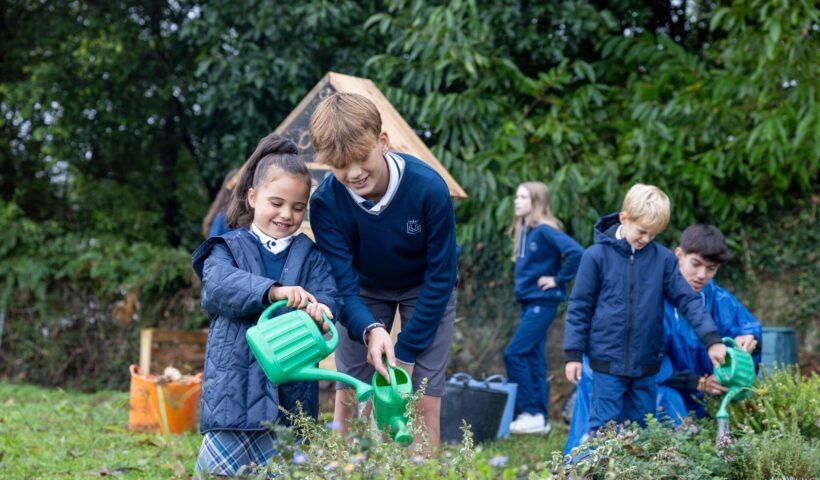
O Castro British International School – The Unique Vision
Location – Camiño de San Cosme, 1, 36419 San Pedro De Cela, Pontevedra, Spain
Website – https://ocastro.britishinternationalschool.com/
Contact – +34 986 20 00 28
O Castro British International School is located in the heart of a culturally rich community, symbolizing innovative education and inclusiveness. This distinguished institution has made its mark by fostering a learning environment that is both engaging and nurturing, where students from diverse backgrounds come together to thrive academically and personally. By bringing forth cutting-edge teaching methods, strong pastoral care systems, and robust international partnerships, O Castro prepares the students not just for exams but for life.
Unique Learning for Every Student
At the very heart of O Castro is its educational philosophy-the approach to specific teaching. The school recognizes and understands that every student’s learning journey is unique. Teachers use a range of tools, from digital to practical exercises, to ensure lessons are inclusive and engaging. Close monitoring will ensure that progress made by the student is known so that appropriate intervention can be carried out on him or her and challenged accordingly. Personalized learning increases academic achievement while fostering confidence and curiosity in students.
Develop a diverse and inclusive community.
O Castro boasts of its multicultural environment where students from diverse backgrounds feel valued and welcomed. The school’s inclusive culture is underpinned by its strong pastoral support program and the integration of Personal, Social, Health, and Economic (PSHE) education. These initiatives teach core values such as empathy, respect, and global awareness. Additionally, the school’s house system promotes teamwork and leadership, providing students with a sense of belonging and community.
Building Global Connections
O Castro is a proud member of Globeducate, the international network of schools focused on preparing students for a world interconnected at all levels. As a school that collaborates with organizations such as the World Wildlife Fund (WWF), Eco-Schools, and the United Nations Sustainable Development Goals (UN SDGs), O Castro has provided opportunities for its students to connect with pressing global issues. This makes them develop solutions for environmental challenges while cultivating responsibility for the planet.
Locally, the school’s extracurricular offerings, including programs like the Duke of Edinburgh’s Award, Robotics, and LAMDA, provide students with opportunities to explore their passions and develop new skills. These activities not only enrich the educational experience but also help students build resilience, creativity, and critical thinking skills.
Prioritizing Student Well-being
The well-being of students is O Castro’s mission. The school has put in place an all-round support system so that each student can feel safe and looked after. Every single secondary school student is provided with a tutor who acts as a contact to guide them through academic and personal turbulence. Secondly, the school employs a special counselor who does workshops and sees students and parents individually.
A feature that makes O Castro stand out is its purpose-built Wellbeing Centre, “The Cottage,” where various activities and workshops focused on mental health and emotional resilience are carried out to strengthen the holistic education being implemented by the school.
Incorporating Technology for Contemporary Learning
With today’s fast-changing digital world, technology has a lot to offer in learning. At O Castro, digital literacy is included in the curriculum at an early age. In primary school, students learn the basics of STEM using programming and robotics classes. This sets a strong foundation for technological competence. As students move to high school, there is usually a one device per pupil policy implemented in schools, facilitated by powerful training tools such as Century Tech. The ability to seamlessly include technology within everyday life allows the students to be better placed in a world that continues to grow increasingly digital.
Rewarding Academic Success
Demonstrating their academic toughness, O Castro appears to be innovative in teaching and learning. The school ensures a great focus on project-based learning, in which the students may work either collaboratively or independently on subjects that interest them. For example, the Key Stage 3 Star Projects permit the student to dive deep into the subject of choice, creating value in both creativity and critical thinking. As such, the school also celebrates all the students’ success through assemblies, publications, and special events so that all successes are recognized and valued.
Future Vision
Looking forward, O Castro British International School is set to increase its facilities and services to better the learning experience. Future projects include the development of an outdoor classroom that would connect students with nature and promote collaborative learning. Plans for a state-of-the-art STEM Innovation Lab are also underway, providing a flexible space for students to explore advanced technologies and develop critical 21st-century skills.
The school is also committed to fostering the creative abilities of students. The development of performing arts facilities and curriculum programs aims to enable students to become confident and expressive communicators. All these are reflective of O Castro’s commitment to providing an all-rounded education that prepares the student for the challenges and opportunities of the future.
A Legacy of Excellence O Castro British International School stands out as a leader in providing a supportive, inclusive, and forward-thinking education. The school fosters a culture of academic excellence, emotional well-being, and global citizenship, equipping its students with the tools to shape a better future. Unwavering in its commitment to innovation and community, O Castro continues to inspire and empower the next generation of leaders and changemakers.
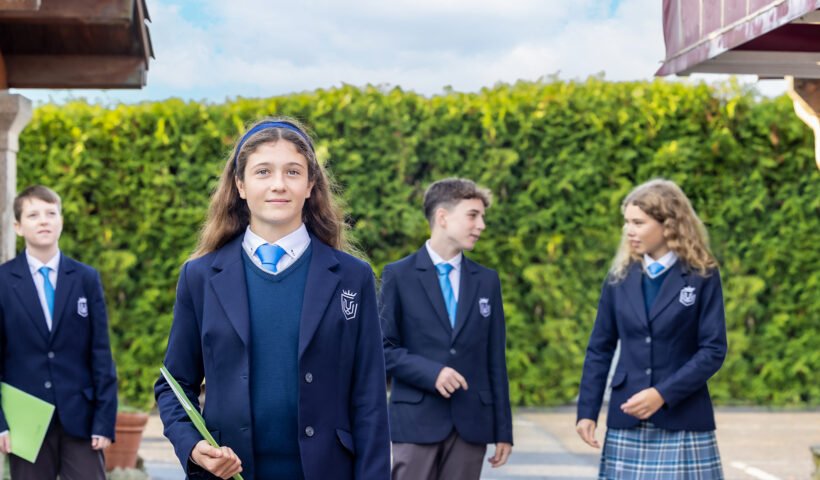
Coruña British International School: Shaping Global Citizens
Location – Rua Roma, 1, 15008 A Coruña, Spain
Website – https://coruna.britishinternationalschool.com/
Contact – +34 981 28 67 99
Coruña British International School (CBIS) stands out as a pioneering institution that combines academic excellence with a commitment to fostering global citizenship. Situated in a vibrant community, CBIS offers a dynamic learning environment that encourages curiosity, creativity, and personal growth. By integrating innovative teaching methods, a multicultural ethos, and a forward-thinking curriculum, the school prepares students to thrive in an interconnected world.
Adopting the National Curriculum of England
CBIS follows the National Curriculum of England, which is very demanding and broad in its scope of education. The curriculum lays a good foundation for the development of critical thinking, creativity, and independence in students. The school adopts active learning with an emphasis on giving the student ownership of his education through inquiry-based activities and hands-on projects.
The school incorporates digital literacy as an integral part of the CBIS curriculum. Technology is utilized to enhance teaching and learning in the school by using interactive whiteboards, tablets, and special software. The use of such resources makes lessons engaging but prepares the student to be able to confidently and effectively navigate the digital world. Some of the other programs, like “Talk for Writing,” help students cultivate their imaginative and structured writing skills.
Celebrating Diversity and Inclusion
The international diversity is one of the unique characteristics of CBIS. Inclusiveness is what defines the school, ensuring students from diverse cultural backgrounds are appreciated and supported. Being fully immersed in the English language prepares them for global opportunities, and the Spanish language will keep them in touch with their local roots.
Through events, assemblies, and extracurricular activities, CBIS celebrates cultural diversity and promotes global awareness. These initiatives align with the school’s mission to prepare students as responsible global citizens who appreciate and respect different cultures, traditions, and perspectives.
Connecting Classroom Learning to Real Life
The goal of connecting academic learning with real-world applications is something that CBIS stands for. Being tied up with the local organizations, businesses, and cultural institutions allows students the experience beyond the four walls of a classroom. Through those collaborations, students receive community-based projects, internships, and competitions- -real-world experiences that instill social responsibility and practical knowledge.
The House System of the school further binds it to the community. Through charities and community service activities, students learn to empathize and have a sense of purpose. These experiences not only enhance their educational journey but also build character and leadership skills.
Supporting Individual Learning Needs
CBIS understands that each student has a different learning journey. The school has its own way of tailoring support to every student, regardless of their abilities or backgrounds, so they can all excel. Continuous assessments and differentiated instruction help teachers identify and address the individual learning needs of students.
For students whose first language is not English, CBIS offers support in English as an Additional Language (EAL) to help them build proficiency while excelling in other subjects. The school’s inclusive teaching strategies ensure that all students feel valued and empowered to achieve their potential.
Prioritizing Well-Being and Mental Health
Student well-being is at the heart of the educational philosophy of CBIS. The proactive approach towards mental health includes embedding social and emotional learning into curricula to assist the students with tools for coping with stress, building up resilience, and applying it positively in relationships.
CBIS’s pastoral care system makes sure that each student is known, supported, and encouraged to succeed. Dedicated counselors and well-being resources are there to address emotional challenges, and workshops and initiatives create a culture of openness and support. This all-rounded approach creates an environment where students feel safe, valued, and confident.
Encouraging Creativity, Critical Thinking, and Problem-Solving
CBIS encourages creativity and critical thinking. House Maths Challenge, for example, provides an opportunity for students to solve problems that require analysis and mathematics appreciation. In the Future Problem Solving program, the school encourages students to propose innovative solutions to real-life problems and thus helps in developing their research, teamwork, and communication skills.
Arts education also plays a significant role in the CBIS experience. Music, drama, and visual arts are integral to the curriculum, encouraging students to express themselves creatively and develop confidence in their abilities.
Integrating Technology into Learning
Technology is a core part of the CBIS learning approach. Interactive lessons, coding, and programming classes are just some of the digital tools integrated across all subjects in the school. The students are prepared for the future, equipped with computational thinking and digital literacy.
The responsible and effective use of technology at school means that students not only master technical skills but also learn how to apply them ethically and meaningfully in real-world contexts.
A Vision for the Future
CBIS is committed to continuous growth and innovation. The school’s vision includes further integrating global citizenship education into the curriculum, equipping students with the skills and values they need to thrive in an interconnected world.
Improvements in school infrastructure are planned to be done in a way that creates state-of-the-art learning environments. These improvements, along with an expanded extracurricular program, will provide students with even more opportunities to pursue their passions and develop new skills.
Evidence that the school embraces sustainability is depicted by their partnership with other organizations like Globeducate and World Wildlife Fund. Initiatives that involve Eco-Schools, among others are geared towards empowering the students into being stewards of the earth planet. They promote lifestyles that aid in a better future for people, especially the youths. Empowering the Next Generation
This is exemplified in what a holistic and forward-thinking education system actually looks like-to give each of the children entrusted to Coruña British International School every tool that allows them to change the world in an inspiring manner, especially because such change has come with cultural inclusiveness, global citizenship, and academic excellence as key prerequisites in shaping this ideal learner.
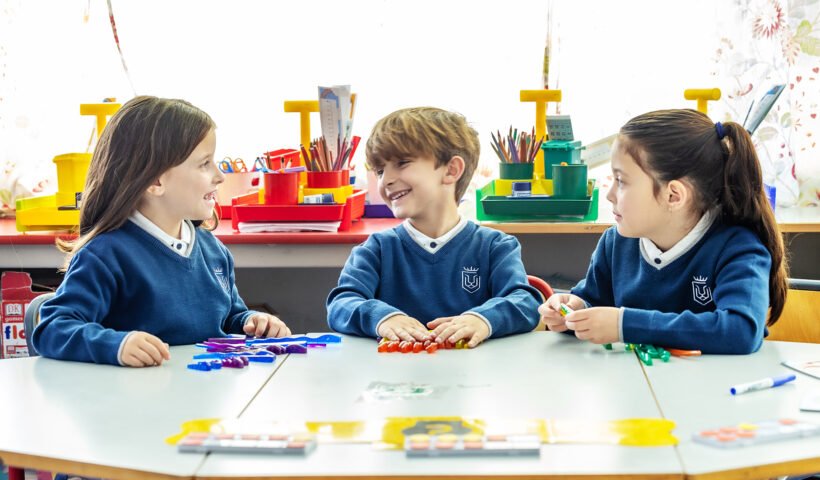
Cambridge House British International School: Building Lifelong Learners
Location – Calle Profesorado Español, 1, 46111 Rocafort, Valencia, Spain
Website – https://cambridge-house.britishinternationalschool.com
Contact – +34 963 90 50 19
It has been long since Cambridge House British International School assumes the role of innovation and excellence in education, built on academic excellence, inclusivity, and global citizenship. In Valencia, CHBIS offers a nurturing environment where students become independent, lifelong learners who are prepared to shape the future.
Excellence in Teaching and Learning
Success in CHBIS depends on the fact that its excellent teaching staff comes with vast experience and knowledge in the British curriculum. Students are therefore given the primary language of instruction in English while studying an internationally recognized curriculum, where they gain fluency. Such a strong academic framework aims at developing students’ skills for critical thinking and problem-solving while teaching subject matter.
The school encourages students to take control of their learning process through active learning strategies. From inquiry-based projects to real-world applications of classroom concepts, CHBIS encourages a love for learning that goes far beyond the classroom.
A Culture of Inclusivity and Diversity
There is a warm sense of celebration of the richness of the multicultural community. The school follows a House System, through which students belong to one of four houses: Calderona, Serrans, Turia, or Albufera, named after regions in the Valencian Community. Houses are set in the United Nations Sustainable Development Goals, and they encourage charitable activities in the local area and contribution to community action projects.
One of the school’s signature programs is its Model United Nations, where students play the role of delegates representing nations to discuss global issues. This program fosters critical skills such as diplomacy, public speaking, and teamwork while deepening the understanding of diversity and global challenges. Together, these efforts ensure that CHBIS students are not only academically prepared but also socially and culturally aware.
Strong Community Connections
The partnerships that CHBIS has with local organizations, universities, and businesses provide the students with the most enriching opportunities. Students get practical experience and insights into potential career paths through internships, collaborative projects, and academic competitions. The school’s university guidance program is particularly noteworthy, offering tailored support to ensure that students gain admission to top institutions both locally and globally.
The school also supports parental involvement with curriculum workshops, progress picnics, and information evenings that build a strong bridge between families and the school. Communication is further enhanced through multilingual newsletters and updates on Microsoft Teams to ensure that all members of the school community stay informed and involved.
Tailored Support for Every Student
CHBIS is exclusively committed to satisfying the diverse needs of its students. There is support through one-to-one and small groups in the Inclusion Department, so all students receive the tools they need to be their best. Full-time educational psychologists work with teachers and families to address the individual and diverse learning needs, including special educational needs, emotional issues, and giftedness.
The school’s PSHE (Personal, Social, Health, and Economic) curriculum further promotes an inclusive environment. Through assemblies and events such as Odd Socks Day, students learn to embrace and celebrate individuality while building empathy and respect for others.
A Focus on Well-Being and Mental Health
CHBIS believes in equal importance placed upon personal development, the same way they emphasize academic excellence. The overall pastoral care is extensive, as all students in this school receive an all-round caring experience. There are PSHEs from the Early Years Foundation Stage, allowing them to tackle every challenge which arises in real life, right from healthy relationship-building to effective management of stress and change.
Another well-doing cornerstone of CHBIS is the safeguarding. There is a safeguarding team led by a DSL, and that ensures every member of staff can identify and address any potential issues. There are workshops, assemblies, and an open culture in which there is an expressed assurance that the school ensures student welfare.
Encouraging Creativity and Problem Solving
CHBIS provides various programs to enhance creativity and critical thinking. For example, the STEAM days as well as the outdoor learning projects make the students think creatively and use their knowledge practically. Participation in Globeducate events, including art competitions and the GE Olympics, offers the opportunity for the children to showcase their talents and share their experiences with their peers around the globe.
The Model United Nations program is another hallmark of CHBIS’s commitment to fostering intellectual curiosity and leadership. By tackling real-world issues in a simulated UN format, students not only enhance their academic skills but also gain a deeper understanding of global dynamics.
Technology Integration in Education
CHBIS, in the fast-changing digital landscape, is making sure that the students are equipped for the future through technology-based integration in all curriculum areas. The use of interactive lessons, coding classes, and digital tools in learning promotes computational thinking and digital literacy among the students. Moreover, it focuses on the responsible use of technology to navigate the digital world effectively and ethically.
A Vision for the Future
CHBIS envisions being the first choice for international education in Valencia and creating a lifelong learning community. The school is working towards the Green Flag ECO award, which reflects the commitment to environmental education and sustainability. Eco Week and collaboration with the World Wildlife Fund are examples of how the students learn about responsible lifestyle choices for the future of the planet.
State-of-the-art facilities include future improvements in infrastructure, designed to enhance learning and extracurricular activities. These developments, along with an expanded curriculum, provide yet another forum where even more opportunities are made for students to pursue their passions and excel.
Shaping Tomorrow’s Leaders
Cambridge House British International School is one of the values of excellence, inclusivity, and global readiness. By nurturing a well-rounded individual who is both academically, socially, and emotionally prepared, CHBIS ensures that its students will be equipped to lead and contribute meaningfully in a rapidly changing world. In its commitment to innovation and community, CHBIS continues to inspire the next generation of leaders and changemakers.
How parents can help their children achieve good performance in school

From the moment school starts back up, a series of adjustments in students’ routines becomes necessary. In this context, a common concern among parents is how to help their children achieve good academic and social performance throughout the school year. Both the school and families play a crucial role in the learning process of children and adolescents.
According to the educator and CEO of the American School of Vitória, Cristiano Carvalho, school and family are partners in the education of students. Like in any partnership, each has its specific roles toward a common goal. Families can create conditions and strategies for studies to continue beyond the academic environment.
“During the vacation period, children and young people have a more flexible routine. Adjusting this routine for the school period demands energy and time. Therefore, one of the first measures to take is to return to sleeping and waking up at the regular times of the school year, respecting the recommended amount of sleep hours for each age group by the Brazilian Pediatric Society. It’s not easy, but it’s necessary for a good return to classes,” suggests Cristiano.
According to the director, an organized study space enhances learning. “Cutting-edge international schools, such as the American School of Vitória, for example, invest heavily in the architecture of spaces so that students are exposed to study materials, their work, and the languages used. At home, families should pay attention to the spaces where their children study, including temperature, lighting, sound, and the resources they need. Learning is better and more enjoyable in places that are prepared for study,” he points out.
Technology in Support of Learning
Parental engagement with their children’s performance in school is crucial for collaboration between the family and the educational institution. Therefore, the American School of Vitória has developed various digital tools to allow parents to monitor their students’ academic progress in a practical and detailed manner.
“The school’s app offers features allowing parents to track everything from arrival times to activities, grades, subject difficulties, performance evaluations, and behavior, taking into account the student’s collaboration and participation levels. The tool also serves as a direct line of communication between families, coordinators, and teachers, providing a channel for conversation and clarification of doubts. This monitoring is crucial for parents to assist students at home, structuring environments and organizing study routines,” says Mr. Kay, the EAV Principal.
In addition to this platform, EAV has an English and Mathematics tool for students from the 1st grade onwards, where students, teachers, and parents have access and can identify students’ learning levels. “This is another support for the development of necessary competencies. The IXL platform offers teaching, various activities, and feedback, with indicators of which areas and skills the student needs to focus on more,” explains the director.
Another tool provided for classes at the end of early childhood education and the beginning of elementary school is Raz-Kids. It is a literacy application that can be used at home and has a large collection of books for children to practice reading, listening, and English dialogue through practical activities.
Study Plan
EAV also offers the Advisory subject, which are classes for students from the 6th grade onwards focusing on organization and study planning. In addition to learning, students develop responsibility, discipline with studies, and proactivity in these classes. “Through all these tools, parents can monitor and have an understanding of their children’s academic performance to help students apply what they learn in the classroom and bring that planning to organize their studies at home,” Mr. Kay affirms.